
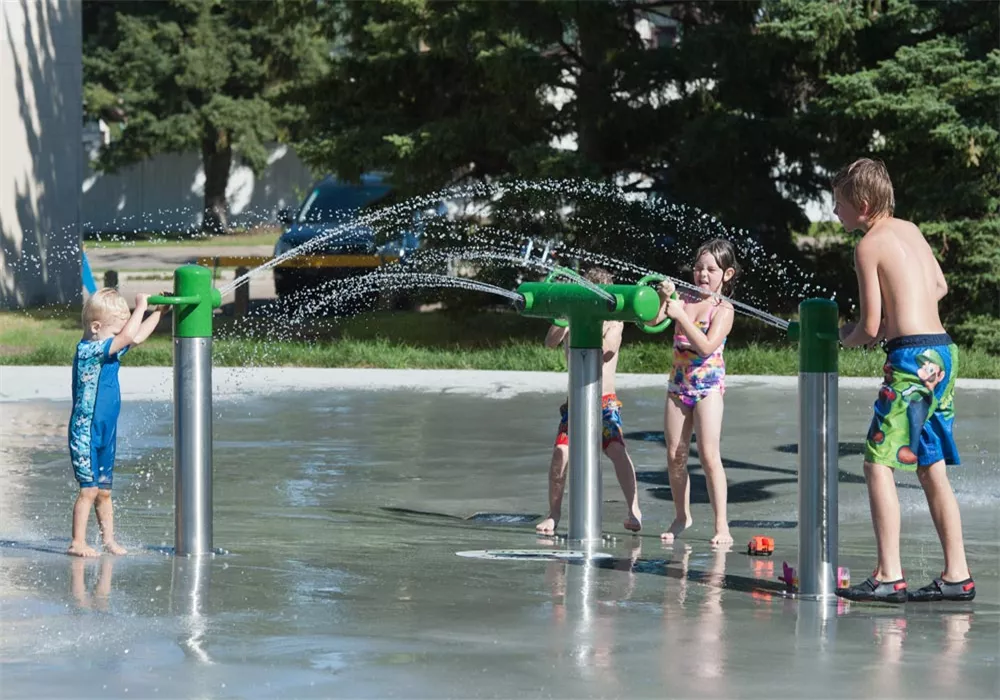
A well-designed splash pad depends on more than colorful water features and interactive attractions. The ground surface beneath visitors plays a critical role in safety, comfort, maintenance, and overall user experience. For commercial aquatic facilities, selecting suitable flooring requires careful consideration of slip resistance, durability, hygiene, drainage, and compatibility with the attraction design.
Why Flooring Selection Matters for Splash Pad Projects

Splash pads are designed for continuous interaction, often attracting children and families who move quickly across wet surfaces. Unlike traditional pool areas, these attractions encourage walking, running, and playing without fixed water depths. As a result, flooring must support frequent movement while reducing safety risks.
A professional water park manufacturer understands that flooring is part of a complete aquatic environment rather than an independent construction element. The selected surface should work together with water features, drainage systems, cleaning procedures, and visitor flow planning.
For commercial projects, unsuitable flooring can create additional challenges. Poor drainage may cause standing water, materials with low durability may require frequent repairs, and inappropriate textures may affect guest comfort. Early flooring decisions can influence both daily operations and long-term maintenance costs.
Key Factors When Selecting Splash Pad Flooring
The first consideration is slip resistance. Wet environments naturally create conditions where visitors may lose balance, especially children who are actively running and playing. Flooring should provide sufficient grip when exposed to continuous water flow while still remaining comfortable for bare feet.
The second factor is durability. Commercial splash pads experience high visitor traffic during operating seasons. Materials should withstand repeated water exposure, cleaning processes, temperature changes, and daily use without quickly deteriorating.
Drainage performance is another important element. Effective water removal helps maintain a cleaner surface and supports better circulation of treated water. A properly designed floor system can improve operational efficiency while creating a safer environment for guests.
Understanding Different Material Requirements
When evaluating splash pad surface material, project owners should consider more than appearance. The material should meet the requirements of public aquatic environments, including resistance to moisture, chemicals, and wear.
Common options include rubber-based surfaces, concrete systems with specialized finishes, and other engineered aquatic flooring solutions. Each option has different characteristics in terms of installation, maintenance, lifespan, and design flexibility.
A suitable choice depends on project conditions such as climate, expected visitor volume, attraction type, and maintenance plans. Working with an experienced supplier allows developers to evaluate flooring together with water features instead of making isolated decisions.
Integrating Flooring With Kids Aqua Play Design
Interactive children’s attractions require flooring that supports safe movement and engaging experiences. Jinchao’s kids aqua play solution demonstrates how attraction design and surface planning can work together in commercial aquatic spaces.
The kids aqua play system uses 304 stainless steel material and is designed for areas ranging from 100 to 500 square units. The attractions spray water and can rotate, creating dynamic play experiences for children. The quantity of equipment is customized according to the available area size, allowing operators to adapt the design to different project layouts.
For a water park manufacturer, customization is important because each site has different dimensions, visitor expectations, and operational goals. Coordinating water features, flooring, and circulation paths helps create a more complete play environment.
Safety Considerations for Commercial Aquatic Facilities
Safety is one of the most important factors when selecting non-slip aquatic playground flooring. Since children are the primary users of many splash pad areas, the surface should support active movement while reducing the possibility of falls.
Beyond slip resistance, operators should consider impact characteristics, surface temperature, cleaning requirements, and accessibility. The best flooring solution balances safety with practical operation.
Regular inspection and maintenance are also essential. Even high-quality flooring requires proper cleaning and monitoring to maintain performance. Operators should establish maintenance schedules based on visitor volume, environmental conditions, and manufacturer recommendations.
Choosing the Right Partner for Splash Pad Development
Selecting a supplier involves evaluating more than individual products. Commercial buyers should review design capability, manufacturing experience, project support, and after-sales service before making decisions.
Jinchao positions itself as a professional water slide builder and aquatic attraction provider serving commercial water parks, resorts, and aquatic facilities worldwide. Its capabilities include custom attraction design, equipment manufacturing, and project support. According to its official website, the company has completed more than 300 water park construction cases and operates a manufacturing facility covering approximately 36,000 square meters.
For developers, partnering with an experienced water park manufacturer can simplify coordination between attractions, flooring, water systems, and overall park planning. A supplier with integrated knowledge can help identify potential challenges before construction begins.
Creating Long-Term Value Through Better Flooring Choices
Flooring selection directly affects safety, guest satisfaction, maintenance requirements, and operating efficiency. A successful splash pad project requires a surface solution that matches the attraction concept, visitor behavior, and environmental conditions.
Jinchao’s kids aqua play provides an example of how customized aquatic attractions can support different commercial applications. With stainless steel construction, adjustable quantities, and interactive water functions, the system can be integrated into various family-oriented aquatic spaces.
For developers planning new projects or upgrading existing facilities, choosing the right flooring should be part of the overall design strategy. By considering material performance, safety, drainage, and supplier expertise, operators can create splash pads that deliver reliable performance and memorable experiences for years.
