
Fleet operators often need road-event information before a vehicle returns to the depot. Waiting for a memory card or a driver report can slow accident review and daily supervision. A connected 4G AI dashcam can send selected event footage and related data through a mobile network. This gives fleet teams earlier access to incidents that may require review while avoiding unnecessary transmission of continuous video.
Real-time event upload does not mean every second of footage must be sent to the server. A practical system identifies important events first. It can then upload a short clip, image, location, time, or alert. This approach can help fleets control data use while giving managers useful evidence from vehicles still operating on the road.
How Real-Time Event Upload Works

The process starts with local video recording. Cameras capture the road, cabin, or other selected areas around the vehicle. At the same time, onboard software can monitor configured driving events and driver behaviors.
When an event reaches a preset condition, the device creates an event record. The related footage can then be marked for transmission. GPS information and event time may also be attached so fleet managers can understand where and when the situation occurred.
For larger commercial vehicles, a 3 camera dash cam for trucks can provide several views of the same event. One channel may show the road ahead, while another records the cabin or another vehicle area. Multiple perspectives can reduce uncertainty when a single camera does not capture the full situation.
Why Fast Access Matters
Fast event delivery can support accident handling. Fleet managers may need to understand a collision before speaking with a driver, customer, insurer, or internal safety team. Remote footage gives them a clearer starting point than relying only on verbal descriptions.
The same applies to everyday supervision. Managers usually do not need to watch every vehicle continuously. They need relevant information when unusual activity occurs. A 4G AI dashcam can support this workflow by linking video recording with event detection and remote communication.
This can be useful in logistics, mining, oil and gas, public transport, cold chain, engineering fleets, and school bus operations. These sectors have different routes and risks, but all may benefit from quicker access to important road and driver events.
Multi-Channel Video Adds Context
A single camera angle can leave important questions unanswered. Front-facing video may show traffic conditions but not the driver’s actions. Cabin footage may show driver behavior but not the road situation. Additional channels can help connect these parts of an event.
This is one reason a 3 camera dash cam for trucks can be useful for fleet applications. Camera positions can be selected according to vehicle type, operating environment, and the incidents a company wants to review.
Multi-channel recording also creates more data. Fleets therefore need clear upload rules. Important clips can be transmitted first, while longer recordings remain in local storage. This keeps the network focused on events that need faster attention.
Hardware and AI Need to Work Together
Reliable event upload depends on more than cellular connectivity. The device needs suitable processing power, stable recording, storage, positioning, and software capable of identifying relevant events. These elements need to work together inside the same telematics system.
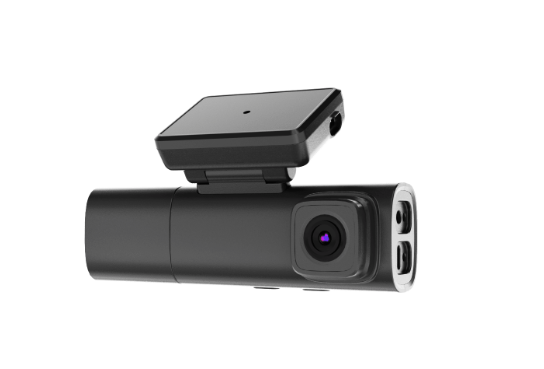
The BSJ Technology DR03 is a 3-channel AI dashcam developed for fleet safety and intelligent video telematics. It runs on Linux and uses a 1.0 TOPS AI NPU. The device combines ADAS and DMS algorithms with multi-channel HD video recording and global connectivity in a compact hardware platform.
ADAS functions can support the detection of road-related driving events, while DMS functions focus on driver status and behavior. When these functions are connected with video and network communication, the system can turn a detected event into information that remote fleet teams can review.
Platform Integration Affects Deployment
Real-time upload is more useful when video data can work with an existing fleet management platform. Many distributors, integrators, and fleet operators already use software for GPS tracking, dispatch, reporting, or vehicle monitoring.
Changing the entire software environment only to add video can create extra work. Open integration can therefore be important when companies expand from basic tracking to video telematics.
BSJ Technology supports integration with third-party software platforms such as Wialon and GpsGate. They also provide OEM and ODM options for projects that need different hardware configurations or market-specific requirements.
Before deployment, buyers should still review data interfaces, network coverage, camera positions, event rules, storage needs, and platform compatibility. These details can affect how smoothly event information moves from the vehicle to the management platform.
Setting Useful Event Rules
Not every event needs the same upload priority. Collision-related footage may require quick transmission, while routine driving video can remain stored locally. Fleets can create different rules according to operational risk.
Camera coverage should also match the vehicle. A 3 camera dash cam for trucks may be suitable where managers need several visual perspectives. The installation plan should consider cab layout, road visibility, vehicle size, and the areas that require monitoring.
Network conditions must also be considered. A 4G AI dashcam can support remote event delivery, but actual transmission depends on available mobile coverage and system settings. Local recording remains important when a vehicle temporarily loses network access.
Making Event Upload Practical
Real-time event upload works well when fleets connect four parts of the system: event detection, video evidence, location data, and remote transmission. Each part adds context to the information received by managers.
The goal is not to send more video. It is to send the right information at the right time. When event rules, camera placement, storage, network use, and platform integration are planned together, video telematics can become a more practical tool for accident review, driver supervision, and daily fleet operations.
