
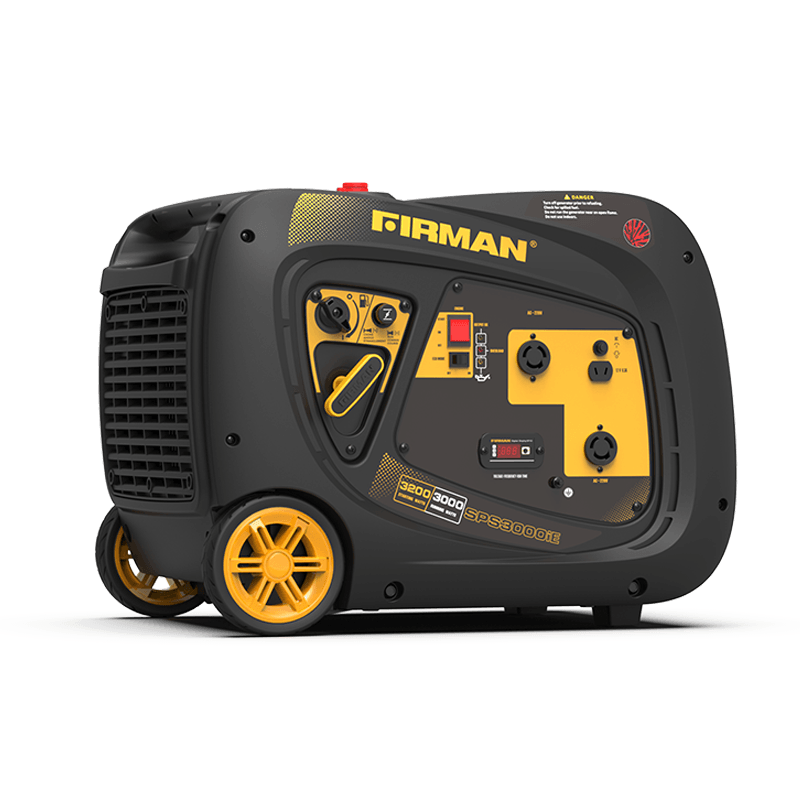
A generator that works well for a small shop may not be the right fit for a clinic or a business running computer equipment around the clock. In Nigeria and South Africa, where power cuts can disrupt daily operations, buyers have to weigh the cost of the machine against what it takes to keep it running.
Honda EU Series and Firman inverter generators sit at different price points, but the difference is not simply about brand or budget. Fuel use, spare parts, noise, and the type of equipment being powered all deserve a closer look.

Protecting Sensitive Microprocessors During Grid Instability
African business hubs suffer from severe voltage fluctuations that routinely destroy sensitive electronic hardware. Rotational load shedding in South Africa and erratic transmission networks in Nigeria frequently force commercial operators to urgently secure independent energy sources.
Running medical diagnostics, broadcast equipment, or modern server racks requires exceptionally clean electrical sine waves. Traditional heavy-duty machinery produces excessive harmonic distortion, rendering standard backup systems entirely unsuitable for delicate retail operations.
Procuring robust inverter generators portable enough for rapid mobile deployment remains a priority for regional IT managers. Facility directors must objectively analyze competing hardware solutions rather than relying purely on legacy brand recognition.
Evaluating Premium Legacy Engineering Standards
Honda fundamentally established the modern benchmark for clean, quiet mobile electricity through their highly regarded EU Series product line. Their engineers prioritize ultra-low noise emissions, making these units exceptionally popular for urban retail zones restricted by strict acoustic ordinances.
The legendary models deliver incredibly stable voltage outputs perfectly mimicking standard grid purity. Commercial broadcasting crews consistently rely on this premium architecture to protect fragile outdoor camera arrays and audio mixing consoles.
Elite power equipment manufacturers historically demand significant premium pricing for this intense level of electronic precision and acoustic dampening. African procurement teams must rigorously determine if their daily operations genuinely justify such expensive refinement.
Value Engineering for Harsh Regional Environments
Medium-scale enterprises frequently encounter a severe capital barrier when sourcing backup machinery for decentralized regional branch offices. Expanding retail networks require clean electricity but cannot mathematically absorb the immense upfront costs associated with premium Japanese hardware.
This precise economic gap is where Firman engineers themselves as a robust but affordable alternatives to serve developing markets. Their industrial design philosophy focuses heavily on delivering vital harmonic stability while deliberately stripping away expensive, non-essential luxury features .
Providing dependable inverter generators portable to make sure African people easy access to reliable power without paying too much money. Rugged physical frames and straightforward control interfaces characterize this pragmatic approach to continuous regional power deficits.
Fuel Consumption During Continuous Operation
Running any internal combustion engine continuously transforms localized petrol costs into the dominant operational expense very rapidly. Premium EU models utilize highly advanced eco-throttle mechanisms that match engine speeds exactly to current electrical demands.
This sophisticated load-sensing capability drastically reduces hourly fuel consumption during periods of light or variable commercial activity. Competing mid-tier brands often consume slightly more fuel per hour, creating a complex long-term mathematical calculation for corporate purchasing officers.
Various power equipment manufacturers publish optimal consumption rates, but real-world African temperature extremes frequently skew these theoretical laboratory figures. Businesses running machinery purely for occasional outages calculate these lifetime running costs differently than continuous users.
Localized Maintenance Workflows and Uptime
Reliable generator operation depends on product durability and access to suitable replacement parts when needed. In South Africa and other African markets, sourcing the correct components can be challenging when local availability is limited. If an inverter generator’s control module fails, replacing it with a compatible replacement module is essential to restoring operation. Reliable local spare parts supply and responsive after-sales support can help reduce waiting times and make replacement parts more accessible to customers.
Waiting weeks for proprietary replacement sensors imported from overseas completely defeats the core purpose of emergency backup hardware. Alternatively, the Sumec Firman product lines utilize highly standardized, widely accessible mechanical architectures deeply familiar to regional mechanics and technicians.
Rapidly servicing these mid-tier backup models locally prevents catastrophic retail business interruptions during prolonged wet-season grid collapses. Parts accessibility directly dictates long-term survival rates across challenging operational landscapes spanning from Lagos down to Johannesburg.
Balancing Capital Outlay Against Lifespan Expectations
Acquiring mobile energy assets demands a ruthless assessment of projected operational lifespans under severe tropical weather conditions. High-humidity environments and constant dust exposure degrade internal engine components faster than standard European testing protocols suggest.
Corporate buyers must carefully weigh the immediate financial relief of budget-friendly machinery against highly probable, long-term operational replacement cycles. Investing heavy capital into elite Japanese systems usually guarantees a decade of reliable service if properly maintained by certified personnel.
However, major power equipment manufacturers operating within the value segment have aggressively narrowed this longevity gap recently. Mid-tier machines now regularly survive five to eight years of harsh deployment, fundamentally altering traditional corporate return-on-investment calculations.
Noise Pollution Constraints in Dense Urban Centers
African metropolitan areas increasingly enforce strict noise pollution regulations within residential and high-density commercial zoning districts. Retail storefronts operating near residential complexes face severe financial penalties or intense community backlash when running excessively loud backup machinery overnight.
Mitigating acoustic disruption has become a central logistical challenge for businesses navigating unannounced midnight transmission network failures. Premium models specifically utilize advanced sound-dampening acoustic panels and specialized exhaust muffling systems to maintain whisper-quiet operational profiles.
Portable inverter generators should be positioned carefully to minimize noise disturbance while maintaining adequate ventilation and safe clearance. Facility planners must accurately measure available exterior courtyard space to determine if constructing acoustic shielding remains a viable onsite workaround.
Specific Application Deployment Strategies
Selecting a generator that matches actual power requirements helps avoid unnecessary fuel consumption and equipment strain. For small shops and offices in South Africa, essential loads such as lighting, computers, and fans can provide a starting point for choosing a suitable generator. FIRMAN’s official buying guidance recommends calculating the combined running and starting power requirements before selecting a model. Larger facilities with more demanding electrical needs require appropriately sized power solutions based on their specific loads.
For these critical IT centers, investing in top-tier Japanese precision technology remains the only logical, risk-free procurement decision. Conversely, powering mobile construction offices, temporary agricultural processing stations, or basic retail lighting arrays demands rugged durability over microscopic voltage perfection.
In these highly demanding scenarios, deploying a Firman unit maximizes operational flexibility without unnecessarily risking highly expensive premium assets. Matching the exact equipment tier to the specific field application successfully prevents catastrophic budgetary waste.
