
Construction projects often involve temporary structures that require stable support during different stages of work. From concrete pouring to formwork removal, support equipment needs to handle changing site conditions and repeated use. Understanding how these components maintain performance after thousands of applications helps contractors make better choices for safety, efficiency, and project planning.
Temporary support systems are used across residential buildings, commercial facilities, industrial plants, and infrastructure projects. Their working environment can include heavy loads, frequent movement, and outdoor exposure. For this reason, material quality, design structure, and maintenance practices all influence how long support equipment can remain functional.
Understanding Long-Term Support Requirements

Temporary support equipment works under changing conditions throughout a project cycle. Workers may adjust the height, relocate the equipment, and install it in different areas. A practical design needs to balance strength, flexibility, and convenience during daily operations.
After repeated applications, the condition of the steel tube, adjustment parts, and connection components becomes important. Regular inspection can help identify wear, deformation, or surface issues before the equipment is used in another project stage.
Many contractors evaluate steel props based on their ability to provide stable support while adapting to different construction requirements. The adjustment range, load capacity, and surface protection methods are key points when selecting suitable products for temporary structures.
Examining Factors Behind Repeated Use
The service life of support equipment depends on several factors, including material selection and working conditions. High-quality steel materials can help maintain structural stability during repeated installation and removal processes.
Surface treatment is another factor that affects long-term performance. Equipment used on construction sites may face moisture, dust, and outdoor conditions. Anti-corrosion treatments can help reduce surface damage and support more reliable use over time.
Proper handling also influences durability. During transportation and storage, avoiding unnecessary impact or improper stacking can help protect the structure. A clear maintenance plan allows project teams to manage equipment conditions more effectively.
Exploring Adjustable Designs For Construction Needs
Different projects require different support heights and load requirements. Adjustable designs allow workers to change the height according to specific construction conditions, making the equipment suitable for various applications.
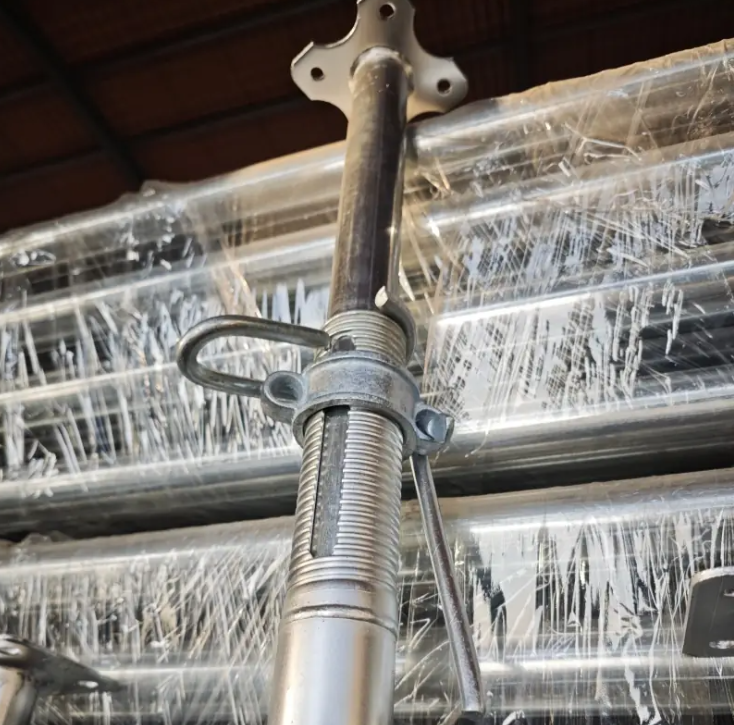
Rongze provides Adjustable Steel Props designed for temporary support of concrete slabs, beams, ceilings, and formwork systems. Its products use high-quality steel materials and include flexible height adjustment features for different construction environments. It offeres light-duty and heavy-duty types to match different project needs.
The design of adjustable steel props focuses on installation convenience and repeated project use. With adjustable structures, workers can assemble, dismantle, and transport the equipment more easily. This helps contractors manage temporary support arrangements during different construction phases.
Maintaining Performance Through Proper Management
Even durable equipment requires proper management after repeated use. Construction teams should check key parts before installation, including adjustment mechanisms, connecting sections, and surface conditions.
Cleaning and storage practices also affect future applications. Removing dirt and moisture after use can help maintain equipment condition. When products are stored in suitable locations, they are less likely to experience unnecessary damage.
Rongze supports construction applications with temporary support products that combine structural stability and practical handling features. It focuses on manufacturing processes, material quality, and surface treatments to meet the needs of different building projects.
Considering Support Solutions For Future Projects
Temporary support equipment plays an important role in construction workflows. Although it is used during specific project stages, its performance can influence installation efficiency and site organization.
For contractors and distributors, selecting reusable support products requires attention to design, material, and application requirements. Products with flexible adjustment, stable structure, and corrosion resistance can support repeated project use when managed correctly.
The use of steel props continues across many construction scenarios because they provide a practical approach to temporary structural support. Understanding product features and maintenance methods helps buyers evaluate options based on actual project conditions.
Construction professionals also consider working height, expected loads, and installation environments before choosing support equipment. These factors help match product specifications with project requirements. A clear evaluation process can reduce unnecessary adjustments during construction and improve site coordination.
For distributors, knowledge of product structures and application methods is also valuable when communicating with contractors. Understanding different project conditions allows them to provide more suitable recommendations for various building applications.
Project teams may also review whether support equipment fits different construction phases, such as concrete placement, ceiling work, or formwork adjustment. The flexibility of adjustable steel props allows users to manage temporary support needs with different height requirements. When equipment can be installed and removed efficiently, it may help simplify daily site operations and reduce time spent on repeated preparation tasks. These practical considerations are useful for buyers comparing support products for future construction projects. They also need to consider storage conditions and transportation arrangements throughout the equipment’s service period.
Building Better Practices For Temporary Support
After thousands of uses, temporary support equipment depends on more than material strength alone. Design features, surface protection, operation methods, and regular checks all contribute to continued function during different projects.
Rongze continues to develop Adjustable Steel Props with features including height adjustment, load-bearing capability, easy installation, and reusable performance. It provide options for construction projects that require flexible temporary support solutions.
