
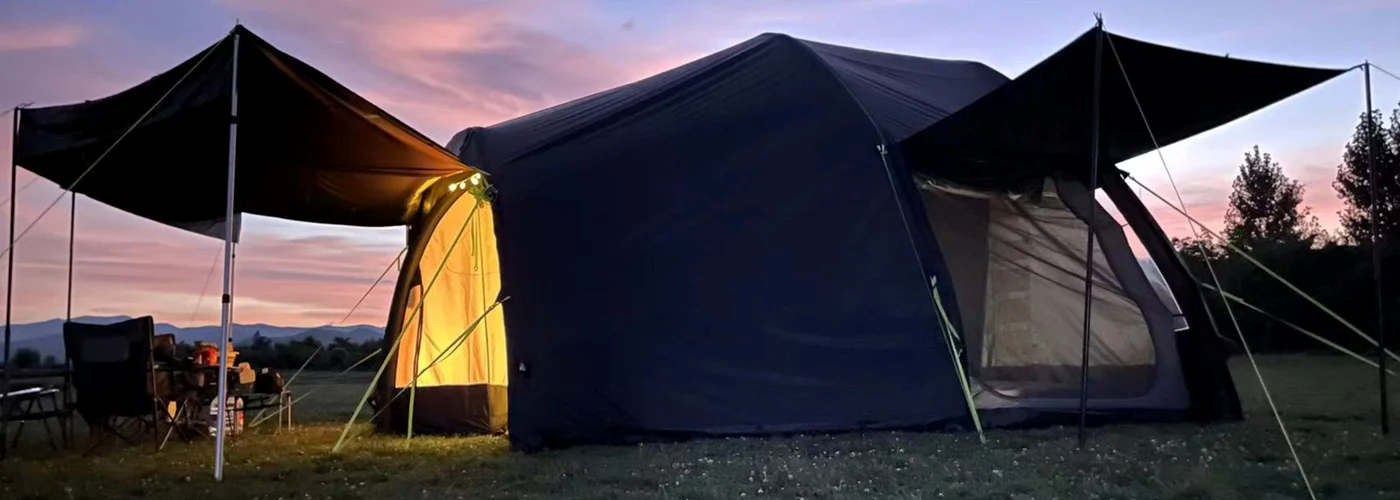
Outdoor equipment is a long-term investment for retailers, organizations, and individual campers. Repeated exposure to rain, dirt, sunlight, friction, and frequent setup can gradually affect fabrics and components. A practical asset management strategy can help preserve equipment performance, reduce avoidable damage, and keep camping products useful across more trips and seasons.
Why Outdoor Equipment Requires Ongoing Management

Camping products from brands such as THECATAL should not be treated as disposable items that are replaced only after serious failure. Tents, shelters, poles, cords, buckles, and technical fabrics all experience different forms of stress depending on where and how they are used.
Moisture is one common concern, particularly after rainy or humid trips. Ultraviolet exposure can also affect certain materials over time, while sand and dirt may accumulate around zippers, joints, and attachment points. Repeated packing and unpacking creates another source of wear, especially when equipment is compressed or handled carelessly.
A consistent maintenance routine allows users to identify these problems before they become expensive repairs. This is especially valuable for businesses managing multiple products because small maintenance issues can become significant when they occur across an entire inventory.
The THECATAL outdoor brand describes its approach around outdoor technology, product development, and equipment suited to different camping environments. Its company information also states that it works closely with factories and suppliers and continuously tests and audits them against its standards.
Inspect Equipment Before and After Trips
Regular inspection is one of the easiest ways to protect the useful life of camping equipment. Products can be checked before a trip to confirm that essential components are working correctly and inspected again after use to identify any new damage.
For tents and shelters, users can examine fabric surfaces, seams, zippers, poles, guylines, clips, and attachment points. Small tears, loose stitching, or damaged cords may seem minor at first, but they can worsen when exposed to strong wind or repeated setup.
For larger inventories, maintenance records can make inspections more consistent. Retailers, rental providers, outdoor schools, and other organizations can record inspection dates, repairs, component replacements, and usage frequency. This gives staff a clearer understanding of which equipment requires more frequent attention.
Such records also support replacement planning. Instead of retiring products simply because they have reached a certain age, businesses can make decisions according to actual condition and usage history.
Clean Technical Materials Carefully
Cleaning is an important part of outdoor equipment maintenance, but technical products should not automatically be treated like ordinary household textiles. Strong chemicals, abrasive brushes, or excessive scrubbing can affect some fabrics and protective coatings.
After a trip, visible dirt and mud should be removed using methods appropriate for the product. Sand and grit deserve particular attention because they can collect zippers and moving components and increase friction during future use.
The goal is not simply to make equipment look clean. Proper cleaning removes contaminants that may contribute to premature wear while helping preserve the original material characteristics. Manufacturer instructions should always be followed when specific cleaning methods or restrictions are provided.
Keep Equipment Completely Dry
Moisture management is particularly important when storing tents, flysheets, groundsheets, and other fabric-based equipment. Packing a damp product into a closed storage bag for an extended period can encourage mildew, odors, and other moisture-related problems.
Equipment should be allowed to dry completely before long-term storage. This is especially important after camping in rain, snow, or humid conditions, when moisture may remain hidden in folds and seams even when the surface appears dry.
For organizations with shared equipment, drying can become part of the standard return procedure. Staff can inspect products, remove dirt, and confirm that fabrics are dry before placing them into their assigned storage areas. This small step can prevent many avoidable problems.
Using Suitable Storage Conditions
Storage conditions can influence product longevity even when equipment is not being used. Excessive humidity, heat, or poor ventilation can gradually affect fabrics and other components.
Camping products should generally be stored clean and dry in an environment that avoids unnecessary exposure to extreme conditions. Users should also follow any product-specific instructions concerning folding, compression, and storage.
Accessories should remain organized with their primary equipment whenever possible. Poles, stakes, cords, clips, and other small components are easy to lose when stored separately. Keeping complete sets together makes it easier to identify missing parts before the next trip and reduces unnecessary replacement costs.
Reduce Wear During Setup and Packing
Some damage happens while equipment is being assembled rather than during actual camping. Dragging fabric across rough ground, forcing poles into incorrect positions, or applying too much tension can create unnecessary stress.
Users can reduce this risk by choosing a reasonably clear setup area and removing sharp debris where practical. Fabrics should be handled carefully, while poles and other structural elements should be assembled according to their intended configuration.
Packing habits matter as well. Equipment should be folded or stored appropriately rather than compressed without regard to the product design. Consistent handling helps limit stress on seams, fabrics, poles, and attachment points through repeated use.
Plan Repairs Before Replacement
Asset management should include a clear approach to repair and replacement. Not every damaged component means that an entire product has reached the end of its useful life.
Minor problems involving cords, clips, stakes, or other removable accessories may sometimes be addressed separately. More serious issues involving fabric, seams, or structural components may require professional evaluation before the product is returned to service.
Warranty information can also support maintenance decisions. The company currently states that it provides a two-year warranty, giving customers an additional reference when assessing product problems and support requirements.
Evaluate Longevity When Purchasing
Effective asset management begins before equipment enters an inventory. Buyers should consider expected frequency of use, operating environments, maintenance requirements, and available product support.
Selecting brand outdoor products with clear information can make long-term management easier. Versatility is also worth considering because products capable of serving different outdoor activities may remain useful across changing seasons, customer groups, and trip types. This can help businesses gain more practical value from each item rather than replacing equipment whenever a specific use case changes.
For retailers and organizations, total ownership cost should therefore include more than the initial purchase price. Service life, maintenance needs, repair possibilities, and product versatility can all affect the long-term value of outdoor equipment.
Build a Consistent Maintenance Routine
A reliable maintenance routine does not need to be complicated. Regular inspection, appropriate cleaning, complete drying, suitable storage, careful handling, and timely repairs can all help reduce preventable wear. For buyers and businesses, the THECATAL approach provides an example of connecting product development and quality management with the practical goal of supporting outdoor use over time.
