
In 2026, the global dental supply chain will undergo a historic realignment, with the Asia-Pacific region being the main driver of this change. In the past, medical technology only went from the West to the East. The relationship between China and India has changed from one of simple consumption to a more complex “dual-hub” model of manufacturing and clinical innovation. These two countries have become the most important players in the world when it comes to making dental hygiene products, restorative materials, and high-tech diagnostic hardware. This is because global supply chains are putting more emphasis on resilience and diversification to reduce geopolitical risks.
The scientific and economic cooperation between these two giants is setting a new “Pan-Asian” standard for quality and access. China’s large-scale production infrastructure and quick adoption of volume-based procurement (VBP) have made high-end parts like titanium implants and orthodontic sensors cheaper. At the same time, India has become the fastest-growing regional market in the Asia-Pacific, with a projected value of more than USD 700 million by 2030. This growth is due to smart government deregulation and a big drop in customs duties on dental equipment. This has made it easier for big companies to move their factories to Asia.
MDfA’s Strategic Filter
To deal with the problems that come up in this changing supply chain, you need more than just good logistics skills; you also need a platform that can check the technical reliability of new suppliers. MDfA (Messe Düsseldorf for Asia) plays an important role in this ecosystem by picking the best new ideas from the manufacturing centres in China and India. MDfA is a key part of the global MEDICAlliance network. It gives international buyers and regional practitioners a clear space to compare new products to strict global standards.

By putting on high-level trade shows that connect these two markets, the group helps the “South-South” trade that is becoming more and more important to the economy in 2026. These events let ideas mix, like when China’s manufacturing efficiency meets India’s skills in clinical application and software development. This means that a modern dental service can offer a wider and more stable range of products. It also means that the “digital thread,” which is the data that flows from the clinic to the lab, will stay steady no matter what happens in global trade.
FAMDENT Hyderabad 2026: A Small Part of the Supply Chain
The FAMDENT Exhibition Hyderabad, which will take place on February 7–8, 2026, at the HITEX Exhibition Centre, will show this change in the supply chain in real time. As the biggest dental trade fair in South India, it features more than 120 exhibitors, including both local Indian innovators and global brands that have moved their production to India. The 2026 show shows a very important trend: “localisation of premium tech.” Visitors will see that many high-precision tools that used to only be available in Europe or North America are now being put together or made in the region. This means that the same clinical standards can be met at a much lower cost.
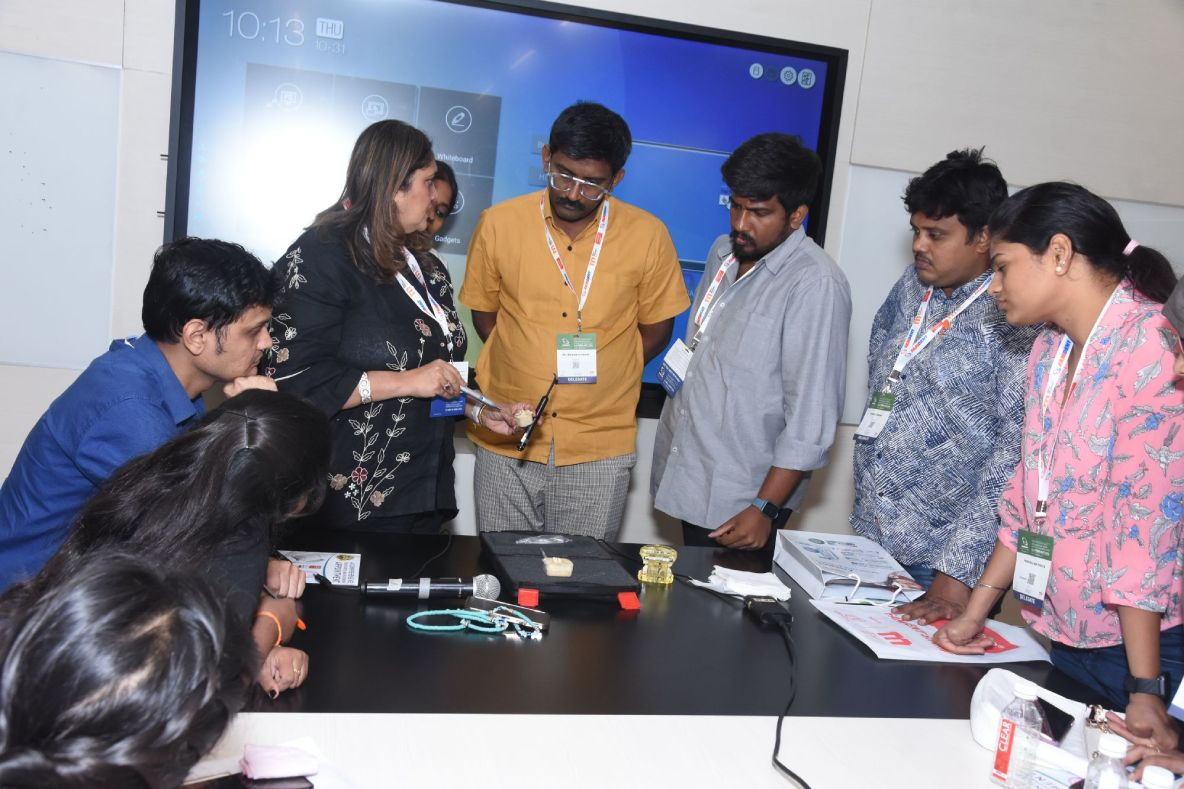
People who go to the HITEX Exhibition Centre can see how being close to the supply chain affects clinical practice. Live demonstrations of the newest dental tools, like 3D printers made in India and intraoral scanners made in China, show a future where high-tech tools are no longer too expensive. Because of this accessibility, a regular private clinic in Hyderabad can now offer a level of dental care that was only available at high-end corporate chains before. The exhibition is an important place for practitioners to buy things because they can talk directly to manufacturers instead of going through middlemen, which helps them get better prices and faster technical support.
How changing trade patterns affects clinical care
The “China-Plus-One” strategy is what makes up the dental economy in 2026. Manufacturers are expanding their operations to include Indian production hubs to make sure things stay stable. For the end user, this diversification is a big win. The risk of stockouts and price changes is much lower now that high-quality, regionally made consumables like bioactive cements, specialised polymers, and sterile disposables are available. For the doctor, this means that the tools they need to care for patients every day are more likely to be in stock.
Also, the use of AI and automation in regional manufacturing has led to a rise in “smart” products. At FAMDENT Hyderabad, dentists can learn about how software developed in the area is being used in diagnostic hardware to make treatment planning more accurate in fields like endodontics and implantology. This localised innovation makes sure that the technology is specifically optimised for the unique dental problems and demographic profiles of the Asian population. Professionals who go to the HITEX Exhibition Centre can see for themselves how these supply chain changes are not only saving money but also making the treatments they offer more biologically predictable.
To sum up
China and India are working together and competing with each other in ways that are fundamentally changing the dental supply chain, moving it to Asia. This change is giving the global industry a stronger, cheaper, and more creative base. By using the strategic platforms offered by MDfA and participating in the localised advancements at the FAMDENT Exhibition Hyderabad 2026, dental professionals can make sure that their practices are based on a modern and sustainable supply model.
