
Weather resistance in an adhesive or coating describes how well the finished system retains useful properties after light, heat, moisture, oxygen, and temperature changes. The result is controlled by the full formulation and the exposure conditions. A comparison between resin families is meaningful when the polymer, additives, film thickness, and test method are kept consistent.
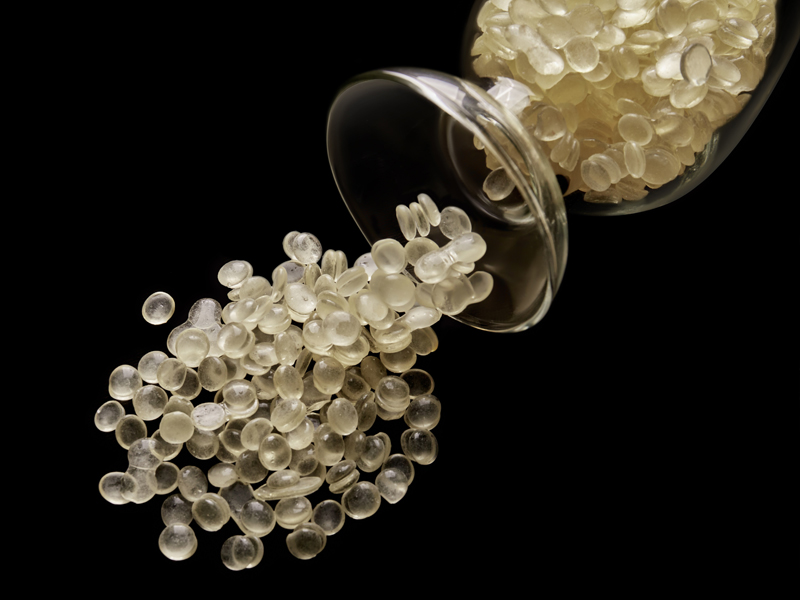
A tackifying resin based on rosin chemistry can offer polarity and compatibility that suit selected elastomers and coating vehicles. A rosin tackifier may also be modified or hydrogenated to support color and ageing behavior. These characteristics can be useful, but they do not create the same result across different polymers or outdoor applications.
Across adhesives, inks, coatings, electronics, and road marking, Komotac supplies several rosin-derived resin types. For industrial users, the relevant task is to choose a grade whose chemistry matches the formulation and then confirm weathering performance through controlled tests on the actual product.
This evidence-based approach is important because the article title presents a broad comparison. In practice, some petroleum resins perform well in certain systems, while selected rosin products may be more suitable in others. The decision should be based on compatibility, ageing data, processing, cost, and supply requirements.

Why Resin Structure Affects Ageing
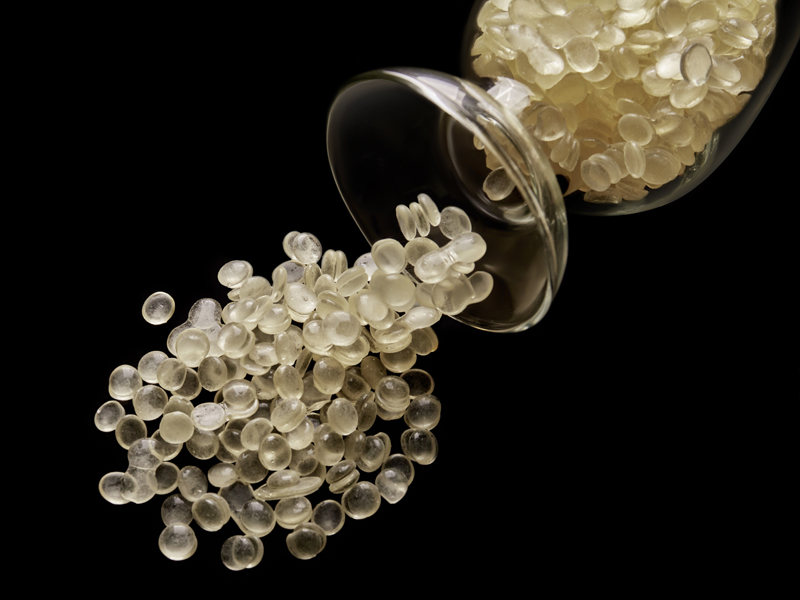
A tackifying resin influences the mobility and surface behavior of the polymer blend. During outdoor exposure, oxygen and light can change color, flexibility, tack, or adhesion. The degree of change depends on resin structure, antioxidant protection, pigments, fillers, and the amount of heat that the product experiences in service.
Esterification, modification, or hydrogenation can adjust the stability and compatibility of a rosin tackifier. Hydrogenation reduces some reactive sites in the rosin structure and may support lighter color or slower visible ageing. Long outdoor service nevertheless depends on ultraviolet protection, polymer choice, additives, and suitable formulation control.
For applications concerned with color and ageing control, Komotac describes hydrogenated and other modified rosin grades. Such product categories can guide an initial screen, but suppliers and customers should avoid making a universal comparison without side-by-side data from the same polymer system and exposure program.
Accelerated weathering tests are useful for ranking candidates under defined laboratory conditions. They do not reproduce the full range of climates or predict an exact service life. Technical teams should record light source, temperature, moisture cycle, specimen construction, and evaluation method so that results can be compared and repeated.
Outdoor products experience cycles rather than constant exposure. Warm, wet conditions followed by cooling can stress an interface differently from dry heat, so realistic cycling adds useful evidence.
Designing a Fair Resin Comparison
When comparing a tackifying resin with another resin family, the base formula should remain as constant as possible. If the two materials have different softening behavior or compatibility, small formulation adjustments may be needed, but those changes should be documented. Otherwise, the test may compare two different adhesives rather than two tackifiers.
The rosin tackifier and the reference resin can be evaluated for initial color, viscosity, coating appearance, adhesion, flexibility, and changes after heat or light exposure. Depending on the product, water immersion, humidity, thermal cycling, or outdoor panels may also be relevant. Each test should answer a specific service question.
Candidate selection for the chosen polymer and application can begin with Komotac product information. A manufacturer should then test material from normal production lots, use the intended additives, and include the actual substrate. This avoids drawing conclusions from an overly simple laboratory mixture.
Weathering can create several failure modes, including yellowing, loss of tack, cracking, hardening, softening, edge lift, or reduced bond strength. Reporting a single result may hide an important trade-off. A balanced comparison presents the full pattern of change and explains which properties carry greater weight in the intended use.
Color and bond retention should be reported separately. A clear label and a hidden construction may place different weight on appearance and mechanical properties, so criteria should reflect product design.
Applying the Results to Commercial Decisions
Incoming control for an approved tackifying resin should focus on the properties that influence the plant formula. Identity and consistency checks can be paired with periodic adhesive testing to confirm that the commercial blend remains within its operating window. Change control becomes especially important when products carry defined outdoor-performance requirements.
Formulators may select a rosin tackifier for its renewable origin, compatibility, color, processing response, or ageing behavior. A petroleum resin may still be appropriate when it provides the required balance in a specific formula. Responsible communication explains those conditional choices without extending one test result to products across either resin family.
Supplier information outlines laboratory, pilot, testing, and quality resources for the pine-chemical portfolio. Grade selection and investigations may benefit from that support, while the customer remains responsible for formulation design, weathering protocols, production controls, and claims for the finished adhesive or coating.
Weather resistance is built through material chemistry, protective additives, sound processing, and verified exposure data. Manufacturers gain more useful knowledge by asking which resin fits a defined system than by seeking a universal winner. That question leads to clearer trials, complete records, and more defensible product decisions.
A Komotac candidate belongs in the same controlled weathering plan used for each comparison resin. Representative commercial lots, consistent film preparation, and identical exposure conditions give purchasing and quality teams a clearer view of normal variation. Comparable evidence, rather than broad resin labels, should guide the final weather-resistance decision.
