
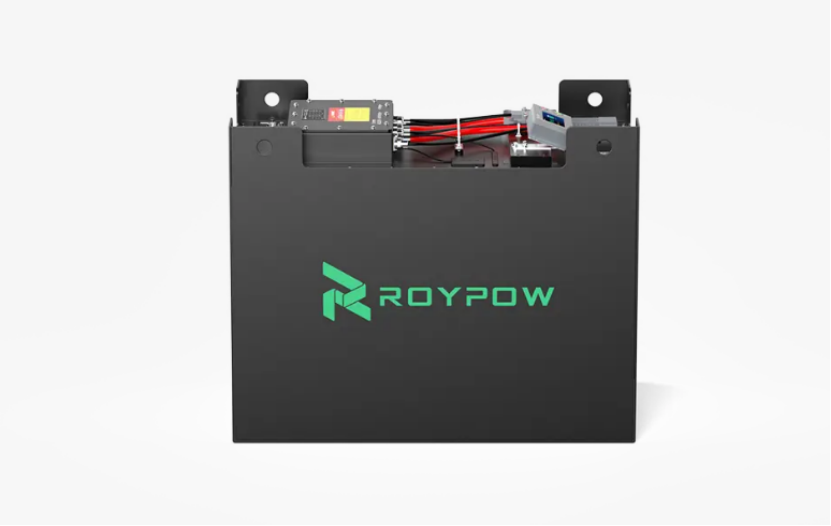
As material handling operations become more demanding, the forklift battery market is evolving at a rapid pace. Businesses today are no longer satisfied with basic power solutions—they are looking for systems that can support longer operating hours, reduce downtime, and improve overall efficiency.
Forklift batteries play a central role in keeping warehouses, distribution centers, and manufacturing facilities running smoothly. With a wide range of options available, including 36V systems, selecting the right solution has become both more important and more complex. Understanding how different batteries perform—and what they offer—can help businesses make smarter, future-ready decisions.
Understanding the Changing Battery Landscape
The forklift battery market has expanded significantly in recent years, driven by advancements in technology and increasing operational expectations. Companies are prioritizing solutions that deliver not only power but also reliability and cost efficiency.

Today’s battery options generally fall into two main categories:
- Lead-acid batteries, known for their lower upfront cost but higher maintenance needs
- Lithium batteries, valued for efficiency, longer lifespan, and reduced servicing
As operations scale and workflows become more intensive, many businesses are shifting toward lithium solutions to meet performance and productivity goals.
At the same time, manufacturers are focusing on smarter battery designs, integrating digital management systems and performance monitoring to better align with modern warehouse demands.
Why 36V Forklift Batteries Are a Popular Choice
Among the various configurations available, 36 volt forklift batteries offer a strong balance between power output and operational efficiency. They are widely used across different material handling applications and are particularly suited for equipment that requires consistent, mid-range power.
One of the key advantages is stable and reliable energy delivery. These batteries provide sufficient power for extended operating periods, helping forklifts maintain performance without frequent interruptions.
Another important benefit is improved operational efficiency. With advanced lithium technology, 36V systems can support:
- longer runtime per charge
- faster and more flexible charging cycles
- reduced energy loss during operation
In addition, many modern 36V batteries are designed with intelligent control systems. These systems help manage performance digitally, ensuring that energy is used efficiently while protecting the battery from overuse or damage.
Maintenance is also significantly reduced compared to traditional options. Without the need for regular watering or equalization, businesses can:
- lower labor costs
- minimize maintenance-related downtime
- maintain cleaner and safer working environments
How to Select the Best Battery for Your Operation
Choosing the right forklift battery requires a clear understanding of your operational needs. While voltage and capacity are important, they are only part of the equation.
Several factors should be considered when making a decision:
- Operational intensity
Evaluate how frequently your forklifts are used and whether they operate across multiple shifts. - Charging availability
Determine whether your facility supports fast or opportunity charging, which can significantly impact productivity. - Equipment compatibility
Ensure that the battery aligns with your specific forklift models and performance requirements. - Long-term cost considerations
Look beyond initial purchase price and assess total cost of ownership, including maintenance, energy usage, and replacement cycles.
By carefully assessing these aspects, businesses can avoid underperformance issues and select a battery that supports both current operations and future growth.
The Role of Smart Battery Technology
A major trend in the forklift battery market is the rise of intelligent battery systems. These solutions go beyond traditional functionality by incorporating advanced monitoring and control features.
Instead of simply delivering power, smart batteries actively manage energy usage and system health. Features such as real-time diagnostics, thermal management, and adaptive charging help ensure optimal performance under varying conditions.
This approach offers several practical advantages:
- early detection of potential issues
- prevention of overheating or system failure
- improved energy efficiency
- more predictable maintenance schedules
For businesses aiming to streamline operations and reduce unexpected disruptions, these capabilities can make a significant difference.
Supporting Long-Term Operational Success
Investing in the right forklift battery is not just about immediate performance—it’s about building a more efficient and resilient operation over time. High-quality battery solutions contribute to smoother workflows, reduced downtime, and better resource utilization.
Lithium-based 36V systems, in particular, offer strong long-term value by combining durability, efficiency, and low maintenance requirements. As a result, businesses can achieve higher productivity while keeping operational costs under control.
Additionally, the integration of smart technologies allows for better visibility into battery performance, enabling data-driven decision-making and continuous improvement.
What This Means for Your Business
As the forklift battery market continues to evolve, businesses have more opportunities than ever to optimize their material handling operations. The shift toward efficient, intelligent battery solutions reflects a broader focus on productivity, reliability, and cost control.
Choosing a 36V forklift battery with modern features can help organizations meet today’s operational demands while preparing for future challenges. By aligning battery selection with real-world usage needs, companies can unlock better performance and long-term value.
In a competitive landscape where efficiency matters most, the right battery is not just a component—it’s a strategic advantage.
