
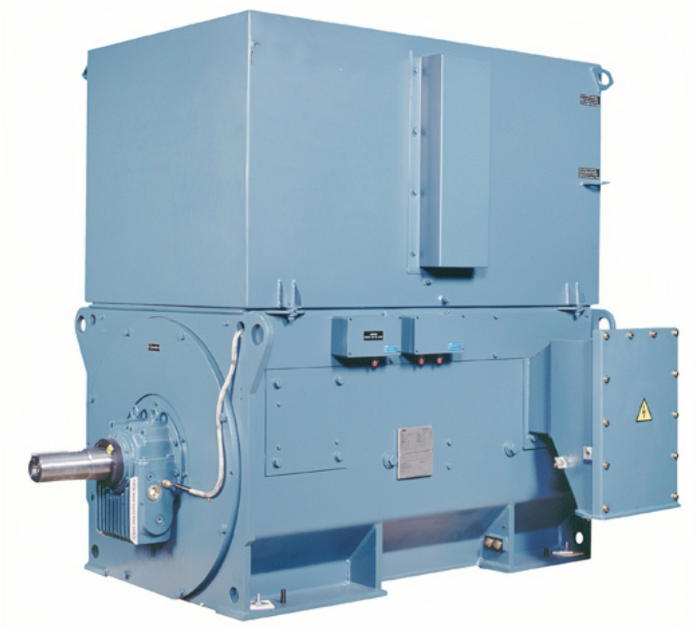
Generator insulation materials are engineered to provide electrical separation, thermal management, and mechanical support within rotating electrical machines. For high-voltage generators used in power plants and heavy industry, material selection directly affects operational reliability and maintenance cycles. This article explains common types of generator insulation, their functional roles, and procurement considerations for B2B buyers, noting supplier support from organizations such as Sui On Insulating.
Core functions: electrical separation, thermal conduction and mechanical support
Generator insulation materials perform several concurrent functions. Electrically, they maintain phase-to-phase and phase-to-ground clearances and prevent partial discharges by controlling local field gradients. Thermally, insulation facilitates heat transfer from conductors to cooling mediums while withstanding elevated temperatures; materials are specified by thermal class to ensure long-term dielectric retention. Mechanically, insulation must resist winding vibration, short-circuit forces, and dimensional change during thermal cycling. High-voltage generator applications often deploy layered systems—films (e.g., Mylar®), papers, polyimide films, mica tapes, and Nomex® polyamide papers—each selected for complementary properties.
Common generator insulation materials and their roles

Polyimide films (e.g., Kapton®): used where high thermal resistance (200–240°C) and thin, conformable insulation are required.Polyester films (Mylar®): provide cost-effective dielectric barriers in lowertemperature zones and in capacitor applications.Nomex® polyamide products: supply high thermal class, mechanical strength, and good impregnation behavior for slot liners and interlayer insulation (UL E34739, service up to 220°C).Mica tapes and composites: used where high dielectric strength and arc-resistance are critical, particularly in stator ground wall insulation.Integration and processing behavior—compatibility with varnishes, impregnation resins, and thermal curing—determines final performance; Sui On Insulating offers material distribution and processing support to validate assemblies.
Procurement, certification, and lifecycle considerations for B2B buyers
Selecting generator insulation materials requires balancing initial material cost with lifetime performance and maintenance risk. Buyers should require supplier certifications (ISO9001, ISO14001, IATF16949), UL listings, and environmental documentation (RoHS, REACH, MSDS). Traceability and sample availability (A4 samples) from distributors such as Sui On Insulating accelerate qualification and support reproducible production. For high-voltage generators, layered insulation systems—carefully specified and tested—reduce the likelihood of catastrophic failures and lower total cost of ownership.
Practical guidance: Specify materials to match generator stress profiles
For reliable generator design, specify insulation systems that address electrical stress, thermal hotspots, mechanical forces, and environmental exposure. Use a combination of films, papers, and tapes where each material’s strengths offset others’ limitations, and partner with experienced suppliers like Sui On Insulating to ensure certified materials and qualified processing.
