
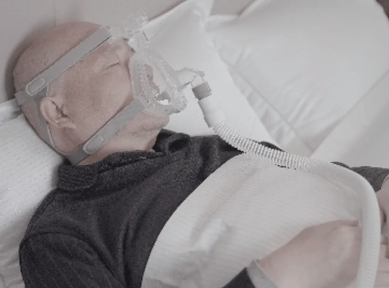
Sleep medicine has evolved rapidly, moving away from rigid institutional treatments to focus on intuitive, highly adaptable home care solutions. Millions of individuals globally rely on overnight positive airway pressure to manage upper airway collapse and maintain oxygen saturation.
Selecting an optimal CPAP device plays a central role in overcoming nocturnal obstructive events and ensuring uninterrupted rest cycles. As market demographics expand, the demand for equipment that mirrors natural human breathing patterns continues to rise significantly.

Modern healthcare procurement networks prioritize systems that balance physiological comfort with therapeutic efficacy. Shifting toward user-friendly tech allows medical device distributors to better address the real-world challenges faced by patients.
Mechanical Constraints of Standard Fixed-Pressure Systems
Traditional positive airway pressure systems deliver a single, pre-determined level of pressure throughout the entire sleep cycle. While this constant baseline stream effectively keeps the airway open, it does not adapt to physiological changes during the night.
Airway resistance changes continuously depending on the user’s sleep stage, body positioning, and localized muscle relaxation. A fixed system often delivers excessive force during lighter sleep, which can lead to frequent arousals or mask leaks.
These mechanical limitations often result in dry nasal passages and general discomfort for the user. Consequently, clinical compliance rates frequently drop when patients feel they are fighting against an unyielding column of air.
Dynamic Titration and the Mechanics of Intelligent Adjustments
Automated therapy platforms utilize internal sensor configurations to track breath-by-breath variations in airflow limitation and snoring. This data allows the system to scale its output up or down within a customized pressure range.
Opting for an advanced auto CPAP system ensures that the therapeutic pressure stays perfectly aligned with real-time physical requirements. The machine identifies airway narrowing early and makes gradual adjustments before a complete obstruction occurs.
This preventative approach eliminates the need for excessively high pressures when the airway is completely stable. By offering tailored airflow delivery, modern homecare devices provide a highly effective solution for chronic obstructive sleep apnea.
Clinical Implications of Flushing Respiratory Dead Space
Beyond standard obstructive care, managing complex sleep disorders requires an understanding of overall gas exchange efficiency. Retained carbon dioxide within the anatomical dead space of the upper airway often complicates traditional positive pressure therapy.
Advanced respiratory platforms address this issue by incorporating a specialized High Flow Mode into the breathing circuit. This feature provides a high-flow oxygen-air mixture that flushes dead space to improve oxygenation within a bipap medical setup.
Clearing out pockets of stale air reduces the overall work of breathing for patients with complex needs. This clinical integration elevates the functionality of homecare devices, bridging the gap between basic therapy and advanced ventilation.
Enhancing Long-Term Patient Compliance via Adaptive Modes
Long-term therapeutic success depends entirely on how well a patient tolerates their equipment on a nightly basis. Devices that cause significant upper airway dryness or structural resistance are often abandoned within the first month.
Integrating an auto CPAP device into a patient’s care regimen addresses these comfort issues by reducing unnecessary pressure delivery. Lower average pressures mean fewer mask leaks, less eye irritation, and a more natural exhalation experience.
Furthermore, built-in heated humidification modules adjust moisture levels dynamically based on the surrounding room climate. This technical protection prevents mucosal irritation, helping patients maintain consistent treatment schedules over time.
Multi-Functional Configurations in Clinical Practice
Medical device distributors frequently evaluate how versatile a equipment line is when managing diverse patient populations. Having a platform that transitions between different modes allows healthcare facilities to streamline their product inventory.
Certain complex cases involving overlapping obstructive apnea and lung insufficiency require more than a standard single-pressure CPAP device. Utilizing multi-mode platforms ensures that clinicians can scale up to advanced support if the patient’s condition changes.
Versatile systems allow medical procurement teams to supply both homecare markets and clinical environments efficiently. This flexibility ensures long-term utility and reliable performance across varying therapeutic applications.
Quality Infrastructure and Medical Device Sourcing Trends
The global expansion of the medical supply chain requires manufacturing firms to operate with high precision and technological depth. Successful enterprises build specialized production lines focused on hardware reliability and component optimization.
Among these specialized firms, Beyond demonstrates comprehensive engineering capabilities by utilizing an in-house surface-mount technology workshop. This infrastructure ensures that complex electronic components perform consistently under demanding clinical conditions.
By focusing on factory-direct supply models, production entities help commercial partners maintain steady market availability. This focus on industrial quality control helps global distributors scale their businesses with confidence.
Regulatory Approvals and Supply Reliability for Global Distributors
Navigating international medical compliance requires equipment manufacturers to hold verified documentation from recognized global bodies. Procurement professionals prioritize lines that demonstrate verified safety profiles and strict quality control.
Holding major certifications like MDR-CE, FDA, and ANVISA confirms that a brand complies with strict international manufacturing standards. These quality credentials give distributors and hospital systems confidence when integrating new equipment.
Additionally, robust warranty programs and direct technical support help safeguard commercial operations from unexpected disruptions. Dependable supply networks ensure that healthcare facilities have continuous access to vital life-support technologies.
Conclusion
When comparing modern respiratory options, automatic pressure adaptation meets evolving market demands far better than static systems. The capability of an auto CPAP system to adjust pressure based on real-time therapy records ensures excellent clinical outcomes and user comfort.
For individuals facing complex respiratory challenges, systems equipped with high-flow dead space clearance provide crucial physiological support. Investing in an advanced CPAP device platform allows global medical networks to address a wider variety of patient needs.
Precise design and factory-direct production—exemplified by Beyond—fuel technical advancement. Sustained innovation gives worldwide clinicians access to reliable, safe, and affordable respiratory technologies.
