
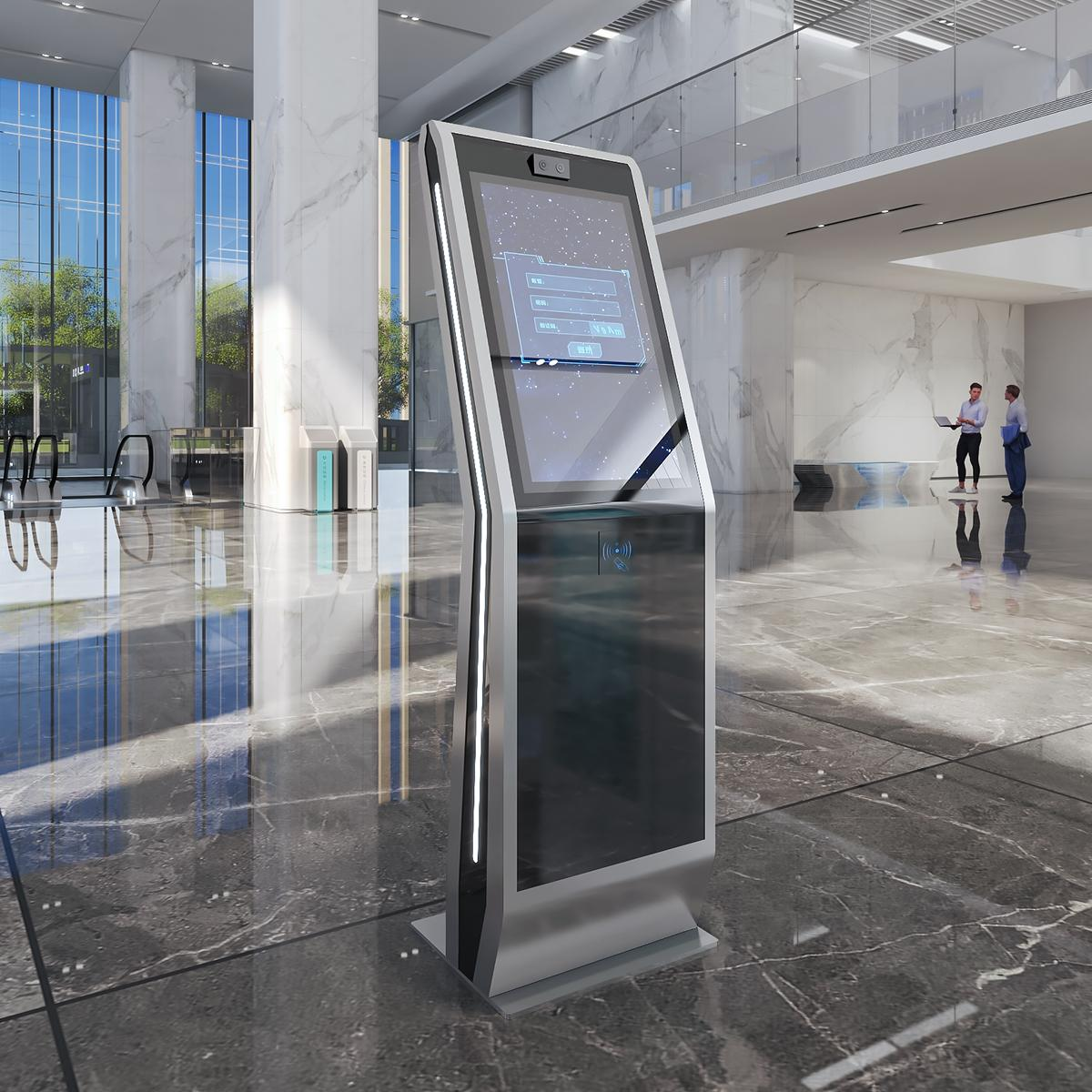
The first impression of a commercial space often begins before visitors reach their final destination. In office buildings, shopping malls, hotels, and other public facilities, entrances and service areas need to provide clear information while maintaining an organized appearance. Traditional signs can communicate basic messages, but they cannot easily adapt to changing information or interactive requirements.
Digital display systems allow businesses to present visual content, visitor information, and, where supported, interactive functions in shared commercial spaces. Depending on the selected configuration, they can support communication in lobbies, entrances, and service areas. As a signage manufacturer providing customized commercial display solutions, Cosun Sign develops digital signage products designed for different business environments, including retail spaces, offices, hotels, and public areas.
Improving Visitor Experience in Building Lobbies

A lobby is often the first point of contact between visitors and a business. Whether in a corporate office, hotel, or commercial complex, visitors usually need quick access to information such as reception locations, service details, event announcements, or navigation guidance.
Digital displays placed in lobbies can provide updated information without requiring physical replacement of printed materials. Businesses can adjust content according to operating hours, seasonal campaigns, visitor requirements, or internal announcements.
For example, an office building may use a display system to show tenant directories, meeting information, and visitor guidance. A hotel may use the same type of solution to introduce facilities, services, or local information. The content can be adapted according to the purpose of the location.
Supporting Clear Communication at Entrances
Entrances are important transition areas where visitors form their first understanding of a space. In large commercial environments, unclear information at the entrance can create unnecessary confusion.
Digital signage kiosks can help businesses present messages, promotional content, directions, and interactive information at these locations. Depending on the selected software and configuration, displayed content can be updated remotely or scheduled according to operational requirements.
For shopping malls, entrance displays can introduce current promotions, store information, and navigation services. In office buildings, they can provide visitor instructions or building announcements. The ability to update content remotely also helps operators maintain consistent information across different areas.
Combining Information Display and Interactive Functions
Modern digital signage solutions are not limited to displaying images or videos. Depending on the application, they can include touch functions, software systems, and network connections that allow users to interact directly with the content.
Interactive functions can support different service processes. For example, visitors may search for stores in a shopping mall, check available services in a building, or access self-service options in a commercial environment.
The exact configuration depends on the project requirements. Some locations only need information display, while others may require interactive navigation, visitor registration, or customer assistance functions.
How Digital Totems Fit Different Service Areas
Service areas often require a balance between visibility, accessibility, and efficient information delivery. Freestanding displays are suitable for locations where wall-mounted installation is not practical or where businesses want the display to become a visible information point.
Digital totems are used in commercial spaces because their vertical structure allows information to be displayed at visible locations. Depending on the site layout, they can be positioned near entrances, waiting areas, corridors, or open zones where visitors may need guidance.
In a shopping center, a digital totem may support wayfinding and advertising. In a hotel, it may provide guest information or service guidance. In an office environment, it may assist with visitor communication and building information.
Design Considerations for Commercial Applications
Selecting a digital display system requires consideration of both the environment and the intended function. Indoor installations usually focus on appearance, user interaction, and integration with interior design. Outdoor or semi-outdoor locations require additional attention to enclosure protection, brightness, and environmental durability.
Content management is another important factor. Businesses operating multiple locations may need centralized updates to ensure that information remains consistent. A suitable system should support the required content formats and management methods for daily operation.
The physical design also influences how well the product integrates into the surrounding space. The appearance, structure, and placement should match the overall design language of the building or commercial environment.
Supporting Retail, Hospitality, and Commercial Operations
Different industries use digital display systems for different purposes. Retail stores may use them to promote products or guide customers. Hotels may use them to improve guest communication. Office buildings may use them to support visitor management and provide facility information.
Cosun Sign’s digital signage portfolio includes solutions for commercial applications such as digital wayfinding, advertising displays, digital totems, kiosks, and other information systems. These products are designed around practical business scenarios where companies need flexible communication tools.
By choosing the appropriate display type and configuration, businesses can create service areas that are easier to navigate and more responsive to visitor needs.
Choosing the Right Digital Display Solution
Lobbies, entrances, and service areas all have different communication requirements. A successful digital signage project starts by understanding visitor flow, content needs, installation conditions, and future management expectations.
For companies considering digital signage solutions, the goal is not simply to replace traditional signs with screens. Instead, the focus should be on selecting a display system that supports visitor information needs and fits daily operating requirements.
With the right combination of hardware, software, and design, digital displays can become an important part of modern commercial spaces, helping organizations communicate information clearly while creating a more connected visitor experience.
