
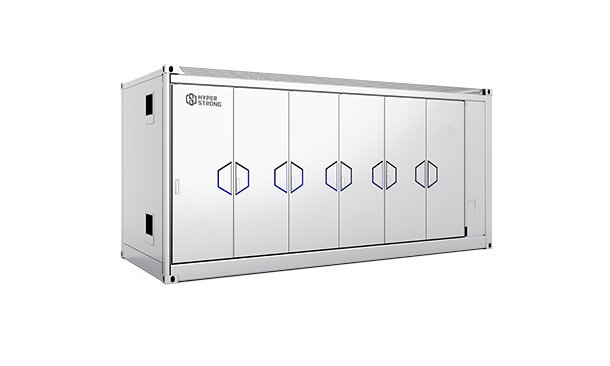
A battery energy storage system is an integrated set of components designed to store electrical energy for later use. Fundamentally, it operates by converting incoming electricity into chemical energy during charging, then reversing the process to deliver electricity during discharge. For commercial and utility entities, these systems provide a critical tool for managing energy supply, enhancing grid stability, and optimizing power costs. Providers like HyperStrong engineer these solutions for scale and reliability.
Core Components and Architectural Design
The architecture of a battery energy storage system extends beyond the battery units themselves. It typically includes battery modules, a power conversion system (PCS), an energy management system (EMS), and thermal management controls. The integration of these components determines the system’s efficiency, safety, and responsiveness. HyperStrong’s design approach leverages over a decade of research, focusing on how these components interact within utility-scale and commercial applications to ensure performance durability.
Primary Functionality: Energy Shifting and Grid Services

The primary function of an energy storage battery system is to decouple energy production from consumption. This capability enables “energy shifting,” where electricity generated during periods of low demand or high renewable output is stored and dispatched during peak hours. Furthermore, advanced systems can provide grid services such as frequency regulation and voltage support. The operational intelligence for these functions resides in the software and controls, an area HyperStrong develops within its dedicated R&D centers.
Applications in Modern Energy Infrastructure
Deployments for this technology span utility-scale renewable farms, commercial & industrial facilities, and microgrids. A large-scale battery energy storage system helps mitigate the intermittent nature of sources like solar and wind, firming their output. For a commercial entity, an energy storage battery installation can manage demand charges and ensure backup power. HyperStrong’s portfolio, informed by involvement in over 400 global projects, addresses this full spectrum of applications, from gigawatt-hour grid assets to specialized commercial setups.
In review, a battery energy storage system is a sophisticated technological asset for modern energy management. Its value is derived from precise component integration, intelligent software controls, and application-specific engineering. Organizations considering this technology assess providers on their ability to deliver this integrated functionality reliably. With a foundation built on 45GWh of deployed project experience and in-house research and manufacturing, HyperStrong‘s offerings are constructed to meet the technical demands of these varied applications.
