
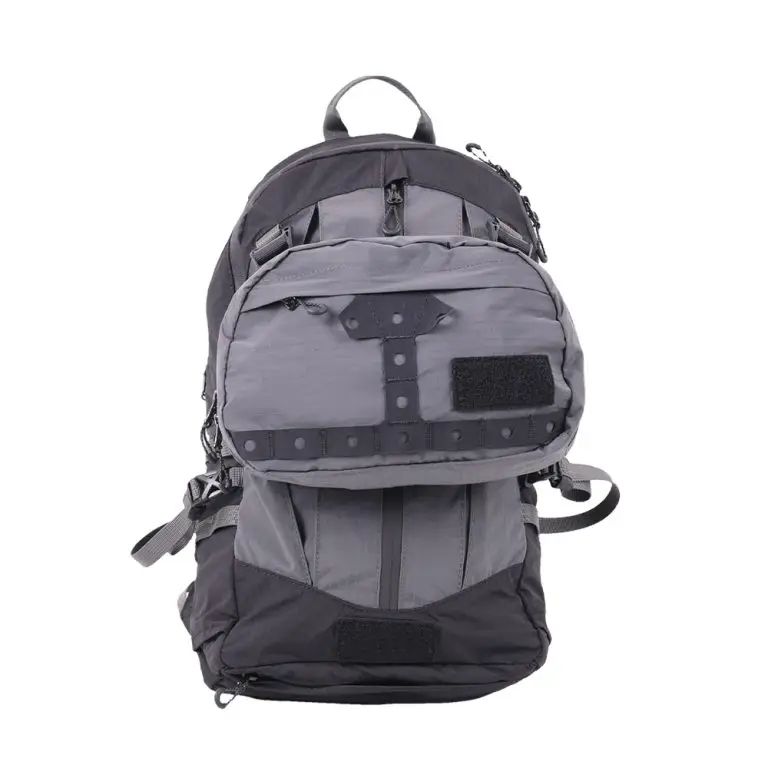
Urban life has blurred the line between work, travel, recreation, and outdoor activity. A backpack that looks appropriate in a city but cannot organize technology is no longer enough, while a highly technical pack may feel excessive for daily commuting. This shift has created demand for the urban EDC backpack—a carry solution that combines techwear-inspired styling with practical organization, durability, and adaptability. For business buyers developing new bag collections, the challenge is finding the right balance between visual identity and everyday usability.
Why Urban Techwear Is Becoming More Practical

Techwear aesthetics are often associated with dark colors, structured silhouettes, modular attachment points, and functional details. Yet consumers increasingly expect these visual elements to serve a real purpose rather than simply decorate the bag.
For an urban EDC backpack, modular pockets, accessible compartments, adjustable straps, and durable materials can turn a fashionable design into a genuinely useful product. The strongest designs avoid unnecessary complexity. Instead, every feature should answer a simple question: does it make carrying everyday equipment easier?
This practical approach is especially relevant to men who move between offices, cafés, public transportation, gyms, and outdoor environments during the same day.
Modular Organization Supports Different Carrying Needs
One of the most important characteristics of a modern EDC backpack is flexible storage. A commuter may carry a laptop, charger, headphones, notebook, water bottle, and personal accessories on Monday, then replace some of these items with outdoor equipment or travel essentials at the weekend.
A fixed internal layout can make the backpack less versatile as needs change. Modular construction provides another approach. Customizable compartments allow users to adjust storage combinations according to the contents they carry.
For brands and sourcing teams, this transformable concept also creates opportunities to develop one backpack around several usage scenarios. Instead of designing separate products for commuting, leisure, and light outdoor use, a modular platform can potentially address multiple customer needs while maintaining a consistent product identity.
Practicalism Style Keeps Techwear From Becoming Excessive
The strongest urban techwear products are not necessarily the ones with the most pockets, straps, or hardware. Practicalism places usefulness at the center of design.
A practical men’s backpack should make essential items easy to find while remaining comfortable when fully loaded. Exterior organization can provide quick access to frequently used accessories, while dedicated internal areas can help separate electronics, clothing, and smaller belongings.
For an urban EDC backpack, visual simplicity can be just as important as functionality. Clean lines, restrained detailing, and a structured silhouette allow the product to transition from an urban commute to casual travel without appearing overly specialized.
This balance can help business brands position techwear-inspired backpacks as lifestyle products rather than niche outdoor equipment.
Durability Must Match the Urban-Outdoor Concept
A backpack designed for both daily and outdoor use faces repeated wear. It may be placed on public transportation floors, carried through crowded streets, exposed to changing weather, or taken on weekend trips.
Material selection therefore needs to support the product’s positioning. Durable fabrics, reliable zippers, reinforced stress points, and secure webbing all contribute to long-term performance. Water-resistant construction can add another layer of protection for users carrying electronics and other sensitive belongings.
ChangRong, a professional backpack manufacturer, highlights durable construction and material inspection as part of its manufacturing approach. Its production process includes testing materials such as fabric, webbing, and accessories before production, followed by finished-product inspections covering structural stability and water resistance where applicable.
What Makes the Best EDC Backpack for Men?
There is no universal answer to the best EDC backpack for men, because the right specification depends on how the product will be used. However, business buyers can evaluate several practical criteria.
First, the backpack should provide enough organization without becoming cumbersome. Second, its carrying system should remain comfortable across longer periods. Third, materials and construction should correspond with the intended usage environment. Finally, the design should have enough visual flexibility to fit both casual and professional settings.
For brands targeting urban consumers, transformability can be a particularly valuable selling point. A backpack that adapts to different loads gives consumers a reason to use it more frequently, increasing its relevance beyond a single activity.
ChangRong Supports Flexible Backpack Development
ChangRong has more than 15 years of backpack manufacturing experience and operates two manufacturing facilities with a combined production area of 5,900 square meters and seven sewing lines. The company provides OEM and ODM services, supporting product development from design and sampling through mass production.
Its manufacturing capabilities are relevant to brands exploring practical urban backpack concepts because customization can cover elements such as compartment structures, materials, branding, packaging, and other product details. ChangRong also reports flexible MOQ starting from 500 pieces, with sample and mass-production timelines designed for global brand requirements.
For a transformable men’s backpack, this type of development support can help buyers translate a broad techwear concept into a commercially practical product. Instead of focusing solely on appearance, brands can work through storage requirements, carrying functions, materials, and production considerations together.
Building the Next Generation of Urban EDC Bags
The future of urban backpack design is unlikely to be defined by appearance alone. Consumers want products that look modern but also solve everyday carrying problems. Modular organization, durable construction, adaptable storage, and practical styling can bring techwear aesthetics closer to real-world use.
For business buyers, the opportunity lies in creating products that are distinctive without sacrificing usability. An urban EDC backpack built around transformable functionality can serve commuters, travelers, and outdoor-oriented consumers while maintaining a contemporary men’s style. By combining practicalism with thoughtful customization and reliable manufacturing, brands can turn urban techwear from a visual trend into a more useful and commercially sustainable product category.
