
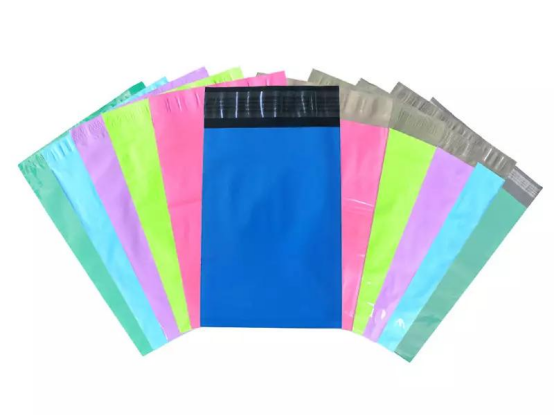
Procuring packaging materials at scale presents unique operational challenges for global logistics managers and e-commerce platforms. When ordering hundreds of thousands of mailing bags, minor manufacturing variances can lead to major operational issues down the line. A slight deviation in plastic thickness can cause bags to tear during automated sorting. In addition, inconsistent self-adhesive strips can fail during transit, exposing valuable contents. For B2B buyers, consistency is not just a preference; it is a foundational requirement for protecting product integrity and brand reputation. Partnering with a professional manufacturer like WH Packing provides the structural safeguards required to prevent these discrepancies. Achieving this level of uniformity across massive production runs requires strict raw material control, calibrated extrusion machinery, and standardized testing protocols.
- The Science of Raw Material Control and Co-extrusion
Bulk consistency starts long before the manufacturing machinery begins to run. It originates in the selection and blending of raw polymers. For standard mailing bags, manufacturers typically utilize low-density polyethylene (LDPE) or co-extruded polymers. Co-extrusion bonds multiple layers of plastic together, creating a material that is significantly stronger than single-layer films. To prevent thickness drift across a run of a million units, factories must implement continuous gravimetric dosing systems. These systems automatically measure and mix raw resin pellets with additives in precise, unyielding ratios to minimize structural anomalies.
For enterprises targeting specific sustainability metrics, the challenge intensifies. Incorporating Global Recycled Standard (GRS) certified materials—such as pre-consumer or post-consumer recycled plastics—requires expert calibration. Recycled polymers exhibit different melt flow indexes compared to virgin resins. A professional OEM facility will adjust the temperature profiles of the extrusion blow heads to account for these raw material variances. This careful calibration ensures that every batch of custom printed poly mailers retains the exact tensile strength specified in the product datasheet. Puncture resistance remains stable, regardless of the recycled content ratio.
II.Eliminating Color Drift in Bulk Printed Shipping Bags

Maintaining brand color accuracy across different production lots is a common, highly challenging pain point in bulk procurement. A logo that appears vibrant in the first batch must not look faded, washed-out, or shifted toward a different hue in the second. This variance usually occurs due to poor ink viscosity control or inadequate treatment of the plastic film surface before printing.
To secure absolute visual uniformity, professional manufacturers employ the Pantone Matching System (PMS) alongside automated ink-dispensing stations. These stations mix pigments computer-graphically to minimize human error. Furthermore, because polyethylene is naturally non-porous, the film must undergo corona treatment. This electro-physical process temporarily alters the surface tension of the plastic, allowing the ink to bond permanently without smudging or flaking. When sourcing large volumes of packaging, high-speed flexographic presses with integrated inline color-monitoring systems are crucial steps in preserving your visual identity.
III.Standardized Quality Control and Mechanical Testing
Visual appeal means very little if the structural integrity of the bag fails under physical pressure. An ISO-certified production facility mitigates this risk by integrating systematic laboratory testing directly into the manufacturing cycle. Quality assurance teams pull samples from the production line at regular intervals to perform standardized mechanical evaluations.
One primary test measures tear resistance along both the machine direction (MD) and the transverse direction (TD). This ensures the material can withstand the rough handling typical of modern postal networks. Additionally, the hot-melt adhesive applied to the closure flap must undergo rigorous peel-strength and shear-strength testing. The adhesive must form a permanent, tamper-evident seal that cannot be peeled open without visibly damaging the bag. A structured, internal quality control system guarantees physical performance down to the millionth unit. The final bag will match the golden sample approved during pre-production.
IV.Leveraging Production Scale to Mitigate Variances
Small-scale operations often struggle with consistency because they run smaller batches on varying machines, leading to setup discrepancies. Large-scale manufacturing plants resolve this issue through sheer capacity and dedicated production lines. Utilizing a massive 27,000-square-meter facility with a monthly capacity of 100 million units allows for dedicated machine allocation, ensuring zero crossover contaminants.
A single extrusion and printing setup can run continuously for days without interruption. This stability prevents the physical and chemical variables of the process from fluctuating. This level of scale also yields significant raw material purchasing power. Sourcing resins in massive, uniform lots ensures that the base chemical properties do not vary from week to week. Global logistics leaders like UPS and FedEx require absolute reliability. For these brands, a highly systematized approach to large-scale manufacturing makes OEM partnerships secure.
V.Practical Action Steps for Procurement Managers
When evaluating potential manufacturing partners for high-volume, custom-made express bag orders, reliance on written promises is rarely sufficient. Instead, global procurement teams should actively request technical documentation and physical proof of capability before signing long-term supply agreements.
First, request a detailed specification sheet that outlines the exact tolerances for film thickness, bag dimensions, and seal width. A reputable manufacturer will define these parameters clearly, typically allowing a variance of no more than 5%.Second, ask for the factory’s ISO certifications and GRS audit reports to verify their quality management and material traceability claims. Finally, establish a standardized pre-production sampling protocol. Once physical samples are approved, they serve as the binding quality baseline. Regular third-party inspections can then verify all subsequent bulk runs of printed shipping bags.
