
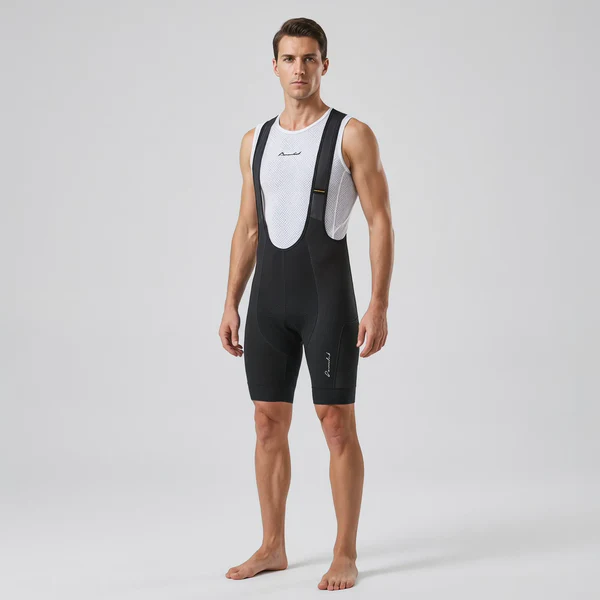
Proper care for technical cycling gear directly determines how long synthetic fabrics retain their elasticity and cushioning support. Exposure to sweat, road grit, and frequent friction can quickly degrade high-performance textiles if improper laundering methods are used. Investing in high-quality mens cycling bib shorts provides long-term comfort only when the garments are washed and stored correctly. Following targeted maintenance steps preserves technical features and extends the overall lifespan of specialized riding apparel.

Post-Ride Handling and Prompt Rinsing
Leaving damp garments in gym bags or laundry hampers allows bacteria to multiply rapidly within dark, moist synthetic fibers. Sweat salts break down elastane threads over time, weakening the compressive hold of leg panels.
Rinsing gear under cold water immediately after finishing a ride removes accumulated salts and skin oils. Pre-treating garments prevents odor setting and protects delicate fabric matrices before deep washing.
Selecting Gentle Detergents over Fabric Softeners
Synthetic fibers rely on microscopic openings to channel moisture away from skin during intense pedaling sessions. Standard household detergents containing heavy fragrances or optical brighteners leave residues that clog these breathable channels.
Fabric softeners coat technical yarns with a waxy layer, drastically reducing wicking performance and chamois breathability. Mild, liquid sports detergents keep synthetic mens cycling bibs clean without compromising technical functionality.
Temperature Control for Washing Cycles
High temperatures break down synthetic elastic fibers, leading to sagging panels and loose leg openings over time. Heat also degrades internal adhesives used to bond chamois layers and structural padding.
Washing gear in cold water preserves fiber elasticity and maintains structural alignment through hundreds of laundry cycles. Equipment crafted by Przewalski Cycling retains shape longer when exposed to low-temperature wash settings.
Utilizing Protective Mesh Wash Bags
Machine agitators and drum metal surfaces subject delicate stitching to harsh mechanical stress during wash cycles. Straps can easily tangle around other clothing, stretching mesh shoulder harnesses out of shape.
Placing garments inside zippered mesh wash bags shields flatlock seams and mesh panels from tearing. Securing items within laundry bags reduces friction against rough fabrics like denim or Velcro closures.
Turning Garments Inside Out Prior to Washing
Flushing skin oils, dead skin cells, and trapped sweat out of chamois foam requires direct access during laundering. Flipping gear inside out exposes the seat pad directly to detergent and water flow.
Reversing garments also shields exterior graphics and reflective logos from abrasive rubbing against washing drums. Washing mens cycling bib shorts inside out maintains sanitary padding conditions while protecting outer fabric surfaces.
Gentle Machine Cycles vs Hand Washing
Gentle machine settings mimic hand washing by minimizing aggressive agitation and high-speed spin cycles. Excessive spinning stretches elastane fibers, causing legs and shoulder straps to lose functional tension.
Hand washing provides delicate treatment for high-mileage kit, allowing targeted rinsing of chamois padding. Select low-spin options on washing machines to remove surface water without straining critical seams.
Proper Air Drying Techniques
Tumble dryers generate intense heat that melts synthetic threads, damages elastic leg grippers, and shrinks chamois padding. Machine drying may damage elastic fibers and silicone leg grippers over time.
Hanging garments in well-ventilated, shaded areas allows natural evaporation without heat damage. Products like the Przewalski cycling bib shorts dry quickly when suspended by leg cuffs rather than shoulder straps.
Protecting Silicone Leg Grippers
Silicone leg bands depend on clean surfaces to grip skin securely without sliding during movement. Body lotions, chamois creams, and detergent films build up on gripper surfaces, reducing retention efficiency.
Wiping interior silicone prints with a damp cloth removes greasy films and restores natural grip. Keeping leg grippers clean allows the Przewalski cycling bib shorts to stay positioned without excessive skin pinching.
Proper Storage Strategies Between Rides
Compressing technical gear tightly inside drawers distorts chamois shape and creates permanent creases in supportive foam. Storing garments under heavy items breaks down multi-density padding structures over off-season periods. These storage-induced deformations are often irreversible—once the foam’s cellular structure collapses under prolonged pressure, its rebound capability is permanently compromised regardless of how carefully you wash it afterward.
Folding garments gently or hanging them loosely in cool, dry closets preserves foam density and fabric stretch. Quality manufacturing from Przewalski Cycling benefits from spacious storage that maintains anatomical pad shapes. By simply dedicating a hanging rod or a shallow drawer to bib storage—with no weight stacked on top—riders can protect the very padding they paid a premium for, ensuring the chamois meets the saddle in its intended contour ride after ride.
Maximizing the Lifespan of Technical Gear
Extending the usable life of performance apparel depends on consistent care habits after every ride. Avoiding heat, softeners, and harsh agitation protects synthetic fibers and chamois foam from premature failure. Careful maintenance of technical mens cycling bibs preserves ride comfort and protects gear investments across many seasons.
SEO title:How to Wash and Maintain Your Cycling Bib Shorts for Longevity Przewalski Cycling Meta Description
