
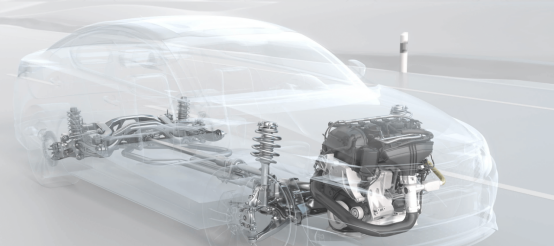
Global electrification is fundamentally disrupting traditional automotive manufacturing. As commercial and municipal fleets transition to sustainable energy, their underlying engineering architecture must evolve simultaneously to keep pace.
Furthermore, strict environmental regulations are prompting operators to upgrade their active fleets. Therefore, the primary challenge for B2B vehicle assemblers is no longer basic battery procurement, but sourcing specialized hardware for high-voltage systems.
Specifically, securing highly engineered automotive components is a critical step in developing viable electric fleets. Because of this, establishing robust OEM alliances is essential to secure the hardware needed for long-term operational success.
The Evolution of Integrated Drive Systems

The integrated electric axle (e-axle) represents a major breakthrough in modern electric vehicle production. Unlike legacy designs with separate, bulky components, next-generation architectures resolve inefficiencies by combining the electric motor, power electronics, and transmission into a single compact housing.
Furthermore, this integration effectively lowers the physical footprint and unsprung weight of the commercial powertrain. Consequently, it mitigates operational vibration and acoustic harshness, providing a comfortable, reliable ergonomic experience that reduces driver fatigue across transportation fleets.
In addition, utilizing pre-assembled drive units simplifies factory assembly and lowers labor costs for B2B developers. This production efficiency reduces the internal research and development burden, allowing manufacturers to bring specialized delivery trucks to market much faster.
Moreover, minimizing moving parts and external high-voltage connections significantly enhances long-term mechanical reliability. Ultimately, this ensures consistent uptime and maximizes return on investment, providing logistics enterprises with a distinct competitive advantage in commercial transportation.
Innovations in High-Voltage Thermal Management
Managing extreme temperatures remains the most critical technical hurdle in modern commercial electric vehicle engineering. For example, heavy-duty logistics platforms generate massive amounts of thermal energy during rapid DC fast charging and sustained highway transport operations.
As a result of this intense heat, traditional passive cooling methods are completely insufficient for regulating dense, high-voltage battery architectures. Therefore, modern mobility platforms strongly require sophisticated, active liquid cooling circuits that uniformly blanket the battery cells and delicate power inverters.
Specifically, incorporating a specialized, advanced auto part such as an intelligent electric compressor or an integrated heat pump fundamentally transforms vehicle performance. For instance, these modern systems allow commercial vehicles to utilize rapid DC fast charging, successfully recovering an 80% charge in merely 30 minutes.
Furthermore, these sophisticated thermodynamic systems actively capture waste heat generated by the electric motor and seamlessly redirect it to warm the battery pack. Ultimately, this precise thermal recycling process prevents catastrophic energy loss and actively increases cold-weather driving ranges by up to 20% compared to legacy platforms.
Moreover, preserving chemical battery integrity in freezing winter climates guarantees reliable daily operation for specialized cold-chain logistics vehicles needing to maintain interior temperatures of -20℃. By sourcing these robust thermal management systems from proven suppliers, fleet manufacturers guarantee their commercial vehicles will consistently meet rigorous performance expectations.
Structural Lightweighting and Advanced Metallurgy
The physical weight of high-capacity lithium-ion battery packs forces commercial vehicle engineers to relentlessly optimize the surrounding chassis. Every kilogram saved in the structural frame translates into increased cargo payload capacity and extended operational range. Consequently, material science has become a critical focal point for modern OEM parts suppliers.
Heavy carbon steel is rapidly being replaced by advanced high-strength steel alloys, extruded aluminum, and carbon-fiber composites. Modern suppliers are also adopting high-pressure die-casting techniques that forge massive structural sections as single pieces, significantly reducing hundreds of heavy welding points.
Procurement teams must actively seek out manufacturing partners possessing deep expertise in these advanced metallurgical forging techniques. Securing lightweight yet structurally rigid components ensures specialized delivery vehicles handle heavy industrial abuse without compromising their overall aerodynamic efficiency.
Elevating Production Through Smart Manufacturing
The transition to electrified platforms demands an unprecedented level of precision during the component fabrication process. Specifically, high-voltage electrical systems require incredibly tight manufacturing tolerances to prevent catastrophic short circuits, electrical fires, or premature mechanical degradation.
To achieve this, leading parts suppliers now utilize heavily automated, data-driven smart manufacturing facilities to consistently meet strict global industrial standards. Consequently, by leveraging artificial intelligence and advanced robotic assembly lines, top-tier suppliers guarantee microscopic precision across massive production runs.
Furthermore, automated optical inspection systems ensure every microscopic electrical connection is flawlessly executed before leaving the factory floor. As a result, this rigid quality control translates directly into higher assembly line yields and significantly lower warranty claims for vehicle manufacturers.
Ultimately, collaborating with highly digitized suppliers provides deep supply chain transparency. This clear visibility allows managers to track production metrics in real time and effectively mitigate the risk of unexpected assembly line stoppages.
Strategic OEM Integration for Future Production
Navigating the complex technical requirements of modern electrified transport requires profound, multi-disciplinary industrial collaboration. Commercial vehicle assemblers can no longer afford to operate in isolated silos, piecing together incompatible hardware from disparate regional vendors. Achieving absolute market dominance requires forging deep, long-term engineering alliances with proven Tier-1 hardware suppliers who intimately understand the rigorous demands of enterprise logistics and global supply chains.
Aligning with an established industrial pioneer like Wuling Motors provides assembly plants with unparalleled access to heavily tested, production-ready component systems. Their profound legacy in developing proprietary powertrains, advanced electrical architectures, and specialized commercial frameworks thoroughly de-risks the overall manufacturing process for B2B clients.
By seamlessly integrating these heavily vetted hardware solutions directly into their own assembly lines, enterprises can confidently launch highly durable, next-generation operational fleets. These strategic hardware partnerships ultimately dictate the pace of global automotive innovation, ensuring commercial operators receive the exact mechanical resilience and technological superiority required for sustainable modern commerce.
