
Modern retail procurement for confectionery is no longer a simple price-comparison exercise. Buyers who treat bulk gummy candy as a commodity purchase—selecting solely on unit cost—often face hidden penalties: stockouts during peak seasons, excess inventory that ties up working capital, and supplier relationships too fragile to handle demand spikes. Competitive profit margins now depend on procurement sophistication, not just negotiation leverage.
The shift from reactive ordering to strategic sourcing requires buyers to look beyond the transaction. For high-turnover categories like loose sweets, this means analyzing sell-through velocity by SKU, aligning order cycles with promotional calendars, and selecting manufacturing partners who can flex capacity without compromising lead times. A proactive approach turns inventory from a cost center into a competitive asset.
Forecasting Demand for Bulk Gummy Candy
Accurate demand forecasting serves as the foundation for any successful procurement operation. Retailers must carefully analyze historical sales data to identify recurring purchasing patterns. Understanding these trends helps buyers anticipate volume requirements for bulk gummy candy throughout the fiscal year.

Seasonal fluctuations significantly impact consumer snacking habits and overall store traffic. Buyers should adjust their wholesale orders to accommodate anticipated surges during major holidays or local events. Aligning procurement schedules with these consumer cycles prevents both inventory shortages and excessive overstock.
Effective forecasting also involves monitoring broader market trends regarding flavor and texture preferences. When retailers recognize shifting demographic tastes early, they can adjust their bulk assortments proactively. This foresight allows stores to capture market share before competitors update their own inventory.
Utilizing modern inventory management software can significantly enhance forecasting accuracy. These digital tools track stock levels in real-time and generate automated reorder alerts based on customized parameters. Integrating technology into the procurement workflow helps commercial buyers keep well-calibrated inventory balances.
Evaluating Gummy Candy Manufacturers and Landed Costs
Strategic procurement requires buyers to calculate the total landed cost of their inventory. The initial invoice price represents only a portion of the final expense. Commercial operators must also factor in freight charges, import duties, and potential product loss during transit.
Evaluating capable gummy candy manufacturers involves assessing their logistical efficiency alongside their production rates. Facilities that package and palletize orders effectively can help reduce international shipping expenses. These supply chain efficiencies directly improve the final profit margins for retail organizations.
Consolidation is another practical strategy for managing landed costs effectively. Rather than managing numerous small suppliers, retailers frequently benefit from sourcing multiple product formats from a single facility. Consolidating orders generally streamlines administrative workflows and optimizes cargo container space.
Optimizing Storage for Bulk Gummy Candy
Purchasing high-volume inventory requires careful consideration of warehouse capacities and environmental controls. Confections formulated with gelatin or pectin possess specific temperature and humidity requirements. Proper climate control helps reduce the risk of melting or clumping during long-term commercial storage.
Retailers can manage these logistical challenges by implementing staggered delivery schedules. Instead of receiving a massive annual shipment, buyers might arrange for smaller, regular deliveries. This approach reduces the immediate strain on internal storage facilities while ensuring products remain relatively fresh.
Working closely with suppliers to optimize carton configurations also aids in storage efficiency. Display-ready packaging or easily stackable master cartons help warehouse teams process incoming shipments quickly. Efficient receiving processes reduce labor overhead and accelerate the transition from warehouse to retail shelf.
Leveraging Strategic Capabilities with HAPI
Establishing strong partnerships with experienced producers remains a central element of strategic purchasing. Operating as VIET NAM HONGRUN BIOLOGICAL FOOD CO., LTD, HAPI offers a comprehensive manufacturing foundation in Bac Ninh, Vietnam. The organization brings over 25 years of established confectionery expertise to commercial buyers.
Retail buyers seeking dependable gummy candy manufacturers frequently prioritize facilities with modern technical infrastructure. HAPI utilizes automated NID starch mogul systems imported directly from Australia. This sophisticated equipment supports the continuous, high-volume output necessary to fulfill substantial wholesale procurement contracts efficiently.
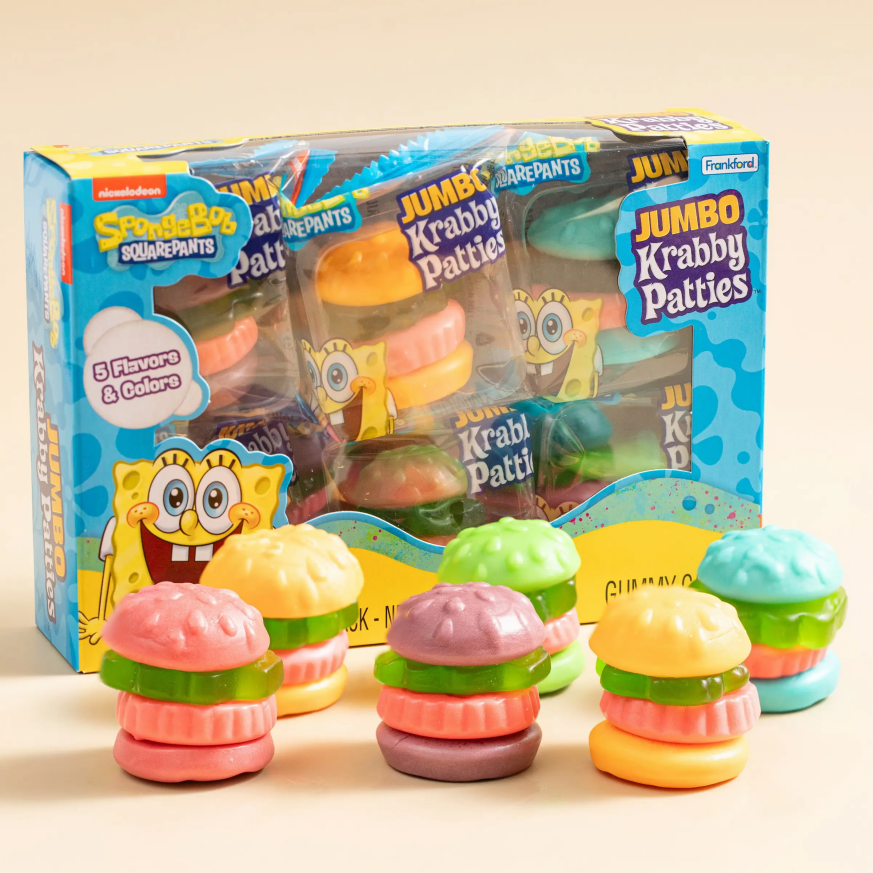
The ability to customize orders provides another significant advantage for strategic buyers. HAPI employs five dedicated research and development experts who assist clients in refining specialized formulations. This technical support allows retailers to procure unique items like fruit juice jelly or novelty hamburger shapes.
Furthermore, a disciplined approach to quality control helps mitigate supply chain risks. HAPI implements rigorous daily sanitation protocols and detailed traceability systems. Partnering with a compliant facility ensures that incoming bulk gummy candy meets strict international safety standards and consumer expectations.
Adapting Procurement to Modern Retail Needs
As retail channels diversify, procurement strategies must remain adaptable to shifting operational requirements. Buyers who maintain open communication with their manufacturing partners can navigate sudden market changes more smoothly. This collaborative dynamic supports long-term inventory resilience and sustained category profitability.
Advanced planning allows businesses to test new product formats without disrupting core inventory availability. When retailers work methodically with established gummy candy manufacturers, they can trial innovative flavors in smaller batches. This measured approach reduces financial exposure while exploring new revenue opportunities.
Continuous market analysis is equally important for refining long-term purchasing strategies. Retailers should regularly review consumer feedback and sales velocity to evaluate the performance of their current assortments. This data-driven evaluation process ensures that future procurement decisions align with actual market demand.
Strategic Sourcing and Supply Chain Resilience in Wholesale Confectionery
Strategic wholesale confection sourcing calls for expertise in demand forecasting, logistics and supplier assessment. Retailers shifting away from one-off transactional purchases can build more resilient supply chains and deliver better shopper experiences. Working with an experienced producer like HAPI unlocks scalable capacity and technical support, helping retailers maintain appealing, reliable bulk gummy assortments and stay competitive in the confectionery market.
