
A high-quality LED display relies on more than just LED modules and cabinets. Behind every smooth image, accurate color reproduction, and stable performance is a complete signal transmission system. Within this system, the LED display sender card plays a critical role by managing communication between video sources and the LED display hardware.
Although it is a small component compared with the LED screen itself, the sender card directly affects how efficiently image data is processed and delivered. Without proper signal transmission, even advanced LED panels cannot achieve their expected visual performance.

For stage productions, commercial displays, XR virtual production studios, and large-scale visual installations, choosing the right control components is essential. Kystar provides professional LED control solutions, including sending card products designed to support reliable signal transmission for different LED display applications.
Understanding the Position of an LED Display Sender Card in the Signal Chain
In an LED display system, video content usually begins from a computer, media server, camera system, or other video source. After the content is processed, it needs to be converted into a format that LED cabinets can recognize and display correctly.
This is where the LED display sender card becomes important. It works as a connection point between the video processing equipment and the receiving cards installed inside LED cabinets. The sender card receives image data, processes the information, and distributes it to multiple receiving cards through network or optical connections.
The receiving cards then control the LED modules by sending accurate instructions to the driver chips. Through this cooperation, the entire LED screen can display synchronized images with consistent brightness, color, and timing.
Kystar’s sending card solutions are developed for professional LED applications where stable data transmission and efficient display control are required. They help system integrators build reliable signal chains for various indoor and outdoor LED projects.
How an LED Display Sender Card Processes Video Data?
The main responsibility of a sender card is to prepare video information for LED display output. Standard video signals from computers or processors cannot directly control LED pixels because LED displays require specially formatted data.
The sender card converts incoming video information into a structure that receiving cards can understand. During this process, it manages image data distribution, pixel mapping, and communication between the control system and LED cabinets.
For large LED screens, this function becomes especially important because millions of pixels need to be updated continuously. A stable sender card ensures that each area of the display receives the correct information at the right time.
In applications such as concerts and broadcast studios, where visual content changes quickly, reliable data processing helps prevent problems such as image delay, incorrect mapping, or signal interruption.
Why Signal Stability Matters in Professional LED Projects
As LED displays become larger and more complex, signal transmission requirements continue to increase. A small error in the signal chain can affect the entire visual experience, especially during live events where there is no opportunity for repeated playback.
An advanced LED display sender card helps maintain stable communication between the control system and display cabinets. It supports efficient data transmission and allows large amounts of visual information to move smoothly across the entire screen.
For example, a large stage LED background may contain multiple cabinets arranged in creative shapes. The sender card helps ensure that every section displays the correct image content, allowing designers to create immersive visual effects without sacrificing stability.
Kystar’s ES Series sending cards are designed for professional LED applications and support different project requirements, helping users achieve dependable signal management for complex display environments.
Supporting High-Resolution and Creative LED Displays
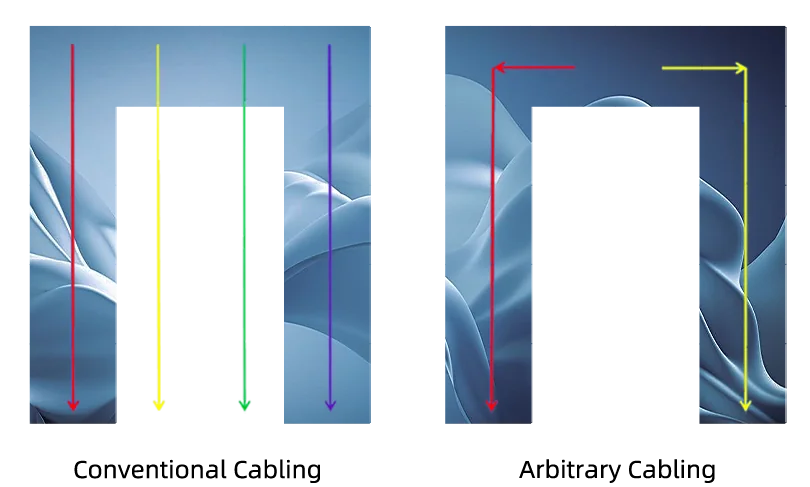
Modern LED projects are no longer limited to traditional rectangular screens. Many installations now include curved displays, irregular structures, ultra-wide screens, and immersive environments.
These creative applications require precise control because every section of the LED display must work together as a complete visual surface. The sender card provides the foundation for handling complex layouts by managing how image data is distributed across different areas of the screen.
In XR virtual production, for example, LED walls must display high-quality backgrounds while maintaining synchronization with cameras and real-time rendering systems. In this type of environment, signal accuracy and low-latency transmission are essential.
A reliable sender card helps bridge the gap between advanced content creation systems and the physical LED display, ensuring that creative ideas can be presented with accurate visual results.
Factors to Consider When Selecting an LED Display Sender Card
Choosing a suitable sender card requires understanding the requirements of the entire LED project. Screen size, resolution, transmission distance, and application environment all influence the right choice.
For smaller commercial displays, the priority may be simple operation and stable daily playback. However, large venues, live performances, and professional production environments often require higher processing capability and stronger transmission performance.
The total pixel load is one of the most important considerations. Larger LED screens require sender cards that can handle more image data while maintaining smooth operation.
Transmission distance is another important factor. Projects with long distances between the control room and LED screen may require optical transmission solutions to maintain signal quality.
Kystar offers sending card solutions designed for different LED display scenarios, helping customers select suitable hardware based on their actual project needs rather than choosing equipment based only on specifications.
The Difference Between a Basic Signal Connection and a Professional Control System
A simple LED display may appear to only need a video input and a screen output. However, professional LED projects require much more precise management.
The sender card is part of a complete control architecture that ensures communication between software, processors, receiving cards, and LED modules. It helps transform digital content into a synchronized visual experience.
For applications such as advertising displays, conference rooms, sports venues, and entertainment stages, the reliability of this signal chain directly influences the quality of the final presentation.
By using professional control components, system designers can achieve better image consistency, easier maintenance, and improved long-term performance.
The Sender Card Is Essential for Reliable LED Display Performance
The LED display sender card plays a fundamental role in the LED signal chain by converting, organizing, and transmitting image data between video sources and display hardware.
While it may not be visible to audiences, it directly affects image quality, system stability, and the overall performance of an LED display project. From commercial screens to complex XR environments, the sender card provides the communication foundation that allows modern LED technology to operate effectively.
With professional LED control solutions and advanced sending card technologies, Kystar supports customers in creating stable, accurate, and high-performance visual systems for a wide range of applications.
