
Selecting the surface finish for wall cladding influences the atmosphere of an interior space. Subway tiles remain a consistent choice for designers balancing historical charm with modern functionality. Evaluating finish options requires careful consideration.
The decision frequently narrows down to choosing between reflective and non-reflective surfaces. Both options offer distinct visual characteristics and practical benefits for diverse environments. Understanding how these glazes interact with light helps buyers make informed material selections.
Architectural planners typically analyze room dimensions, lighting availability, and maintenance expectations before specifying a finish. Comparing the visual and structural properties of these surfaces simplifies the procurement process. This deliberate approach ensures the final installation aligns with the intended design vision.
The Luminous Appeal of High-Gloss Surfaces

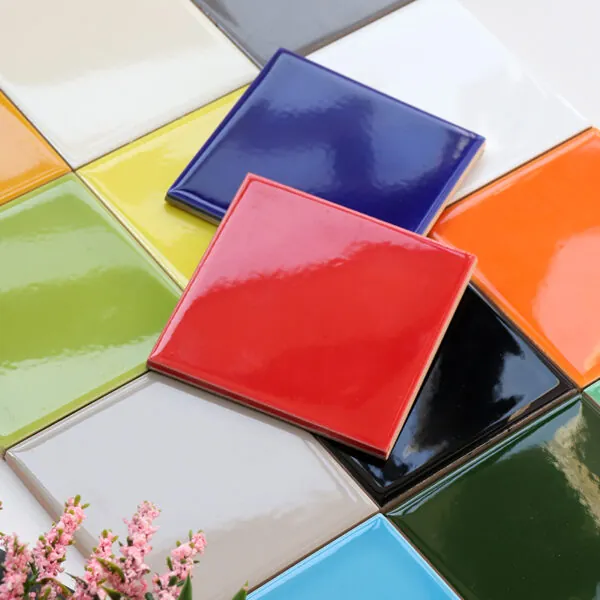
Traditional glazed layouts feature a highly reflective coating that interacts dynamically with ambient lighting. This glossy exterior creates a luminous effect, bouncing natural and artificial light across the room. Consequently, reflective surfaces often make compact areas appear more expansive.
Beyond spatial perception, glossy finishes offer a classic aesthetic that aligns well with transitional and historic architectural themes. The smooth, glass-like barrier provides an elegant visual texture that draws attention without overwhelming surrounding decorative elements. This makes it highly versatile.
From a functional standpoint, highly reflective glazes create a nearly frictionless surface. This smooth characteristic allows users to wipe away cooking splatters or soap residue efficiently. Maintaining a sanitary environment in active kitchens or busy washrooms becomes a straightforward task.
The Contemporary Subtlety of Matte Subway Tiles
Conversely, designers increasingly specify matte subway tiles to cultivate a subdued, contemporary interior atmosphere. These non-reflective surfaces absorb light rather than bouncing it outward. This optical property creates a soft, muted aesthetic that grounds large rooms and adds quiet sophistication.
Integrating matte subway tiles into a design scheme helps reduce visual glare in brightly lit environments. When combined with natural materials like raw timber or honed concrete countertops, the flat finish establishes a cohesive, tactile environment. This texture appeals to modern sensibilities.
Additionally, the flat finish often conceals minor water spots, fingerprints, and dust more effectively than glossy alternatives. This characteristic makes the non-reflective option particularly advantageous for commercial washrooms or busy household kitchens where daily maintenance resources might be limited.
Evaluating Lighting and Spatial Dimensions
The interaction between ceramic finishes and room lighting dictates the final spatial perception. Spaces featuring minimal exterior windows often benefit from glossy surfaces that maximize available illumination. The reflective quality naturally brightens dark corners, enhancing the overall comfort of the room.
In contrast, areas receiving abundant natural sunlight might experience intense glare if clad entirely in highly reflective materials. In these brightly lit scenarios, a flat finish diffuses the intense sunlight gracefully. This creates a balanced visual environment without harsh reflections.
Evaluating material samples under actual lighting conditions remains a crucial step in the specification process. Observing how light shifts across both finishes throughout the day allows interior planners to select the option that best supports the structural geometry of the space.
Maintenance Considerations and Surface Care
Ceramic subway tiles, whether matte or glossy, share a low-porosity body that tolerates moisture exposure in kitchens and bathrooms. Their daily upkeep requirements differ primarily in surface texture rather than material composition.Glossy surfaces wipe down quickly, but they tend to highlight streaks or water droplets if not dried completely after routine cleaning.
Flat finishes mask superficial smudges efficiently, preserving a clean appearance between scheduled maintenance sessions. However, the microscopic texture that scatters light can sometimes require slightly more pressure to remove stubborn kitchen grease. Selecting appropriate cleaning agents resolves this minor issue.
Routine care involves using pH-neutral cleaning solutions and non-abrasive tools. Avoiding harsh acidic chemicals preserves the factory-applied protective layer over time. Consistent maintenance ensures the wall cladding remains hygienic and visually cohesive for years.
Manufacturing Quality and JLA Ceramics
Procuring durable wall cladding requires partnering with experienced production facilities that maintain strict quality controls. JLA Ceramics subjects every batch to quality checks covering glaze consistency and surface finish, supporting more uniform technical and aesthetic properties across large material batches.
Advanced factories utilize sophisticated glazing technologies to achieve precise finishes. Companies such as JLA Ceramics implement rigorous testing protocols across their production lines. This systematic oversight ensures that every piece meets established industry standards for moisture resistance and dimensional accuracy.
Accessing diverse product catalogs empowers architectural teams to execute complex visions. JLA Ceramics produces extensive collections featuring both reflective and flat finishes in various standardized dimensions. This broad selection provides procurement managers with the resources necessary to complete sophisticated interior projects.
Strategic Applications in Residential and Commercial Layouts
Applying these materials strategically enhances the functional flow of a building. In residential kitchens, reflective finishes frequently serve as dynamic backsplashes behind active cooking zones. The easy-to-clean nature supports hygiene, while the bright surface illuminates the primary food preparation area.
Commercial designers often utilize flat ceramic finishes for restaurant bar fronts or boutique hotel bathrooms. The muted texture introduces an element of understated luxury while hiding the immediate wear of high-traffic use. This strategic placement balances operational practicality with brand aesthetics.
Mixing both finishes within a single layout presents an interesting architectural opportunity. Combining matte and glossy pieces in a structured pattern creates subtle vertical depth without requiring multiple colors. This nuanced approach adds custom detailing to otherwise standard wall installations.
Finalizing the Finish Selection Strategy
Determining the appropriate surface treatment involves balancing aesthetic preferences with practical environmental factors. Analyzing lighting conditions, maintenance capabilities, and the desired room atmosphere guides the selection process. A methodical evaluation ensures the chosen material actively enhances the surrounding architectural framework.
Partnering with established suppliers like JLA Ceramics ensures consistent access to high-fidelity surface materials. Reliable manufacturing supports seamless installation procedures and long-term durability. Quality materials reduce construction delays and prevent premature wear, protecting the overall project investment over time.
By considering how light and texture interact, property owners cultivate engaging interiors. Thoughtful selection yields functional, resilient environments. Whether opting for bright reflections or the subdued elegance of matte subway tiles, the right finish solidifies the structural design narrative.To compare matte and glazed subway tile finishes, visit JLA Ceramics.
