
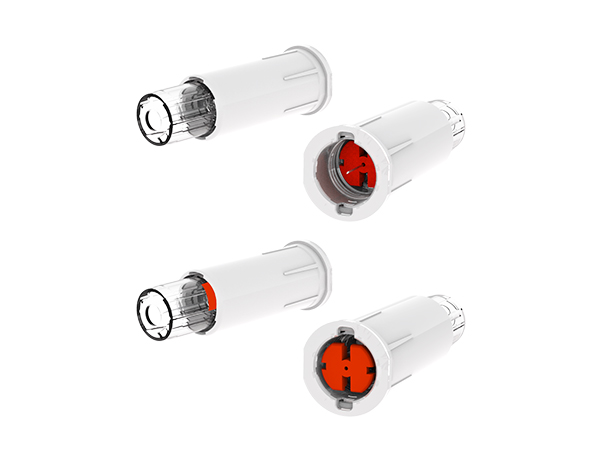
Managing chronic conditions frequently requires the regular administration of medication through subcutaneous delivery systems. Patients and healthcare providers generally rely on specialized injection devices to facilitate this necessary daily routine. A common question is whether these replaceable components are interchangeable across different device brands.
Understanding the subtle nuances of equipment compatibility typically helps users avoid frustrating and potentially harmful situations during treatment. Selecting the appropriate attachments may significantly influence the overall accuracy of the dosage delivered to the body. Therefore, reviewing specific manufacturing standards often becomes a crucial step in preparing for therapy.

Understanding Compatibility Standards for a Pen Needle
When individuals purchase a new medication delivery device, they might naturally assume that any available attachment will fit. While many products are broadly compatible, users should generally verify the connection type before attempting an injection. A standardized pen needle typically features a universal threaded hub designed specifically for widespread commercial use.
However, certain specialized delivery systems might occasionally utilize proprietary connections engineered for exclusivity. These unique structural designs generally require specific branded attachments to function correctly without causing leakage. Relying on unverified assumptions about fit may lead to improper attachment, which frequently results in operational issues during the critical delivery process.
The Significance of ISO 11608-2 Compliance
To address broad compatibility concerns, international regulatory bodies often establish rigorous standardized testing protocols. The ISO 11608-2 standard is widely recognized across the medical industry as a critical benchmark for evaluating interoperability. Products claiming conformity with ISO 11608-2 should be evaluated against the applicable requirements and test methods specified in the standard.
This rigorous testing usually assesses the binding force and functional compatibility between the hub and various commercial medication pens. Attachments that successfully pass these evaluations typically offer a much broader range of reliable interoperability. Institutional buyers often prioritize this specific certification to minimize equipment mismatches within their busy healthcare facilities.
Potential Consequences of Component Mismatches
Attempting to force an incompatible piece onto a delivery device generally poses several practical and functional risks. An incompatible connection may prevent the pen needle from being properly positioned or from functioning as intended during injection. This mechanical failure typically leads to medication leakage around the base instead of entering the subcutaneous tissue properly.
Consequently, the user might receive an inaccurate medication dose, which frequently complicates overall blood glucose management strategies. Furthermore, an unstable connection might cause the internal tubing to bend or detach entirely during insertion. Such mechanical failures often increase the likelihood of localized tissue trauma and significantly elevate perceived patient discomfort.
Threading and Hub Design Variations
The hub connection is designed to secure the pen needle to the compatible pen-injector and maintain the intended fluid path during injection. Manufacturers frequently engineer these threads to match the standard pitch found on most widely available commercial devices. A secure fit generally prevents the subtle lateral shifting that might occur during the plunger depression phase.
If the threads do not align correctly, the user might experience excessive physical resistance while twisting the component into place. Healthcare professionals often advise individuals to avoid over-tightening, as this action could potentially strip the delicate plastic threads. A smooth, secure attachment is generally highly indicative of proper and safe compatibility.
Evaluating Material Quality and Manufacturing Practices
Beyond simple structural fit, the raw materials utilized during production typically influence the overall long-term user experience. Pen needles may use stainless steel for the needle cannula, with the specific material grade determined by the manufacturer’s design and applicable requirements. The material used for the needle cannula is selected according to applicable material, mechanical, and biocompatibility requirements.
Manufacturers also frequently employ advanced thin-wall technology in their modern engineering designs. This approach typically increases the inner diameter while maintaining a consistent and comfortable outer gauge, which may facilitate a faster fluid flow. Enhanced flow rates often reduce the thumb pressure required to dispense thicker medications effectively and safely.
Advanced Sterilization and Reliability Metrics
Maintaining strict sterility is generally considered paramount for any item intended to pierce the human skin barrier. Reputable manufacturing facilities frequently utilize robust radiation sterilization methods to comprehensively process their finished goods. For products requiring sterility, a validated sterilization process may be designed to achieve a Sterility Assurance Level (SAL) of 10⁻⁶.
These rigorous sterilization protocols usually directly influence the expected functional longevity of the unopened product. High-grade items frequently boast a verified shelf life of up to five years under appropriate and stable storage conditions. This extended viability generally supports highly efficient inventory management for bulk purchasers and large medical institutions.
The Value of Selecting a Trusted Manufacturer Like SteriLance
Navigating the complex global landscape of medical supplies often leads prudent buyers to seek out established and reputable producers. Organizations with a deep focus on safety and precision typically invest heavily in comprehensive quality control infrastructure. These ongoing investments generally translate into highly consistent product performance across diverse manufacturing batches.
For example, SteriLance provides pen needles manufactured according to its applicable quality and product requirements. By focusing on comprehensive compatibility testing, they generally provide practical solutions that integrate smoothly with numerous global medication delivery platforms. Partnering with a reliable supplier typically reduces the practical uncertainties associated with routine equipment procurement.
Practical Guidance for Making Informed Purchasing Decisions
Users and institutional supply buyers are frequently encouraged to review detailed product specifications carefully before finalizing their selections. Checking the product labeling for ISO 11608-2 compliance can provide useful information about the needle’s design and testing. However, users should also confirm that the specific needle is intended for use with their pen-injector.
Additionally, individuals should consult a healthcare professional when switching to a new brand or unfamiliar model. Medical professionals can frequently offer personalized guidance based on an individual’s specific therapeutic regimen and unique physical requirements. Taking these proactive steps generally fosters a considerably safer and more effective overall treatment environment.
Disclaimer: This content is provided for general health education and informational purposes only. It does not constitute medical advice, diagnosis, or treatment. Individual health conditions vary, and no health education article can replace a face-to-face consultation with a qualified healthcare professional or licensed medical institution. If you have specific health concerns or feel unwell, please seek care from a licensed medical facility and do not delay treatment because of content on this platform.
