
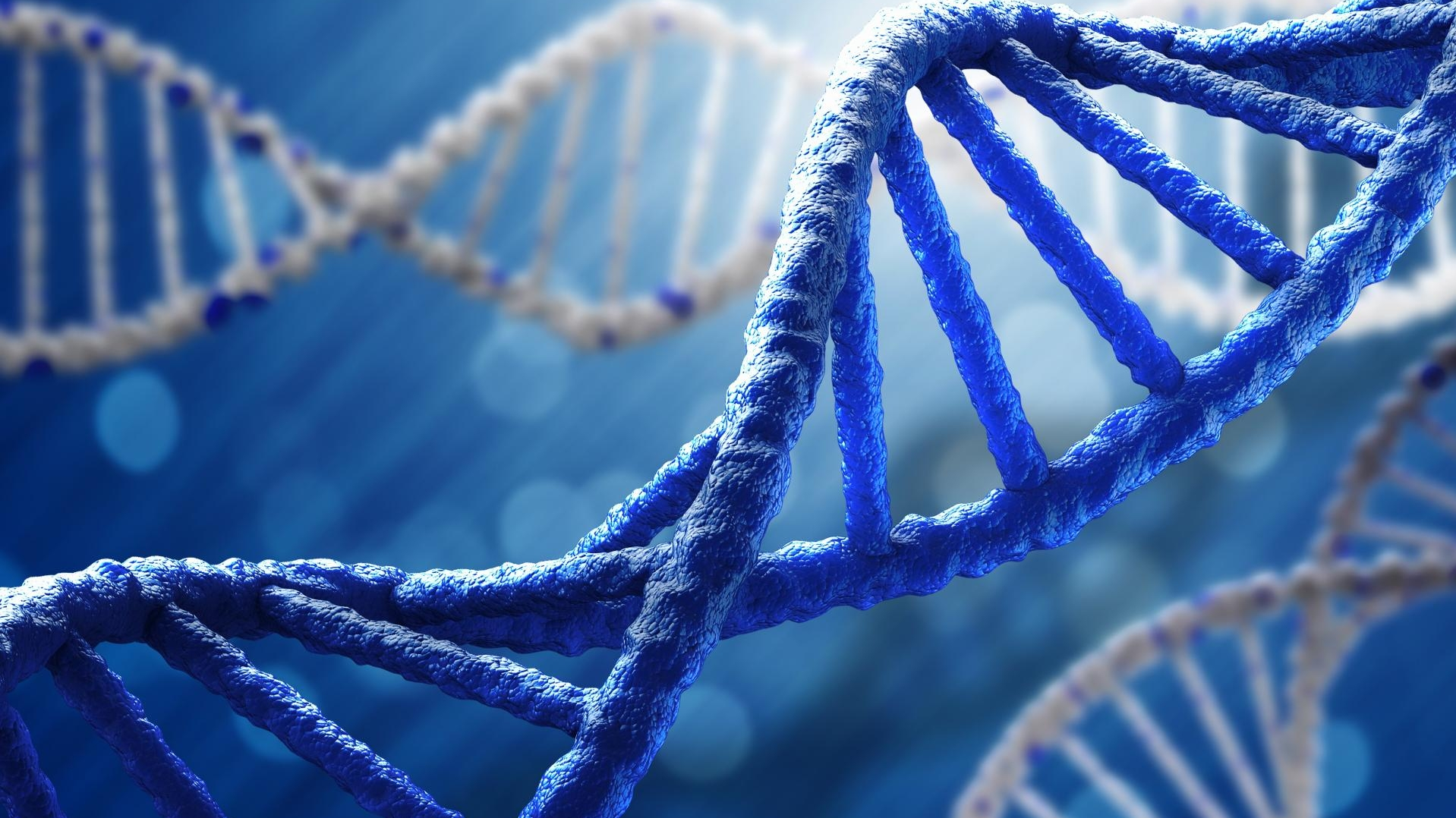
A genomic DNA extraction kit is designed to isolate DNA from biological samples with sufficient yield and purity for downstream applications. Among the various components of such kits, buffer composition plays a central role in determining overall performance. Buffers are not only responsible for maintaining chemical conditions during extraction but also directly influence cell lysis, nucleic acid stability, and purification efficiency. As a result, the design and optimization of buffer systems are essential for achieving consistent and reliable genomic DNA extraction outcomes.
Role of Buffers in Lysis and DNA Stabilization
One of the primary functions of buffer systems in a genomic DNA extraction kit is to enable efficient cell lysis while preserving DNA integrity. Different biological samples require specific chemical conditions to disrupt cell membranes and release genomic DNA effectively. Optimized buffers provide the appropriate pH and ionic strength needed to break down cellular structures without causing DNA degradation. In addition, these buffers protect nucleic acids from enzymatic damage and environmental instability during the extraction process. By ensuring that DNA remains intact and accessible, buffer composition directly contributes to improved yield and consistency across different sample types.
Influence on Binding Efficiency and Purification Processes

Buffer composition also plays a critical role in the interaction between DNA and purification matrices such as silica membranes or magnetic beads. In a genomic DNA extraction kit, binding conditions are carefully controlled by buffer components to promote selective adsorption of DNA while excluding contaminants. For example, high-salt conditions facilitate DNA binding, whereas low-salt conditions support efficient elution. In magnetic bead–based systems, buffers regulate the affinity between nucleic acids and beads, ensuring strong binding during purification and effective release during elution.
For workflows paired with an automated nucleic acid extractor, stable buffer performance is particularly essential. A key technical advantage of optimized buffer formulations is effective foam suppression. Excessive foaming can cause liquid overflow in deep-well plates, lead to inaccurate liquid level detection by probes, and raise the risk of cross-contamination. Reliable anti-foaming properties, together with consistent reagent performance, underpin precise liquid handling, mixing, and temperature control throughout automated operations.
Practical Perspective
Overall, buffer composition is a key determinant of performance in a genomic DNA extraction kit, influencing lysis efficiency, DNA stability, and purification quality. TIANGEN Biotech (Beijing) Co., Ltd. develops genomic DNA extraction kit solutions with optimized buffer systems that support both manual workflows and automated nucleic acid extractor platforms. TIANGEN provides products designed to ensure reproducible genomic DNA extraction with stable yield and purity across diverse laboratory applications.
