
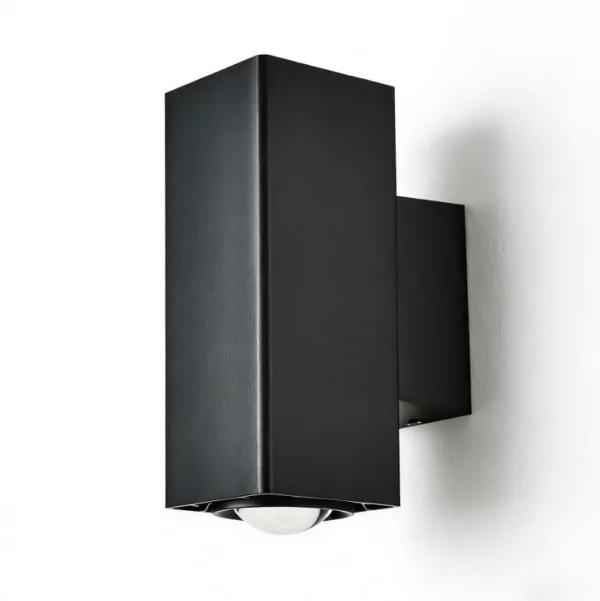
In the planning phases of high-end architectural developments and municipal infrastructure projects, material degradation remains a constant threat to long-term profitability. Engineers, procurement specialists, and architects must look beyond initial visual designs to analyze how physical hardware reacts under continuous environmental stress. Atmospheric moisture, ultraviolet radiation, and corrosive particulates will quickly degrade standard materials, creating systemic electrical failures and driving up maintenance overhead.
For external industry publications and supply chain managers alike, understanding the critical division between baseline structural alloys and specialized marine-grade metals is key to managing lifecycle costs. Partnering with a comprehensive OEM and ODM manufacturer like Keyida allows B2B clients to source highly resilient, structurally sound hardware configurations. By specifying the correct metallurgical compound early in the design phase, projects can achieve decades of uninterrupted service in even the most demanding geographical climates.
Metallurgy in Architectural Illumination: Standard vs. Specialized Alloys
To build an efficient procurement strategy, sourcing agents must analyze the metallurgical differences between standard alloys and marine-grade options. Standard architectural aluminum, typically utilizing 6063 or 6061 alloys, is the industry standard for most general exterior projects. These materials are highly favored in the manufacturing sector due to their exceptional thermal conductivity, lightweight characteristics, and great versatility during high-pressure die-casting and extrusion processes.

When formed into structural housings, standard alloys perform brilliantly in benign environments, such as inland urban plazas, suburban commercial parks, and climate-controlled open-air structures. These standard aluminum outdoor lighting fixtures rely on a naturally occurring aluminum oxide layer to provide a baseline defense against typical weather cycles. However, this thin protective film is highly susceptible to chemical breakdown when exposed to concentrated airborne chlorides or acidic rain, which can lead to localized pitting, surface peeling, and stress-corrosion cracking over time.
Identifying Environmental Thresholds for Material Upgrades
Upgrading to marine-grade metals becomes a strict operational requirement when the surrounding atmosphere contains corrosive agents that standard oxide films cannot withstand. Marine-grade aluminum alloys, typically categorized under the 5000 and 6000 series with higher magnesium content, are formulated specifically to resist aggressive saltwater and alkaline exposure. In coastal areas, salt spray can travel several miles inland, carried by maritime breezes and persistent mist. This saline moisture acts as a powerful electrolyte, accelerating galvanic corrosion wherever dissimilar metals make contact.
Furthermore, heavy industrial zones characterized by chemical manufacturing, sulfur emissions, or acidic precipitation present a similarly hostile environment. In these specific scenarios, standard metals degrade rapidly, causing water ingress and complete component failure. Opting to invest in superior metallurgical grades ensures that the physical shell of the illumination system remains completely sealed and structurally sound throughout its intended operating lifespan.
Structural Benefits of Advanced Engineering
Beyond simple corrosion resistance, marine-grade alloys offer superior mechanical properties that are essential for heavy-duty structural applications. The inclusion of magnesium not only increases resistance to chemical attacks but also improves the material’s workability and structural strength after welding or casting. This allows manufacturers to construct thinner, lighter, yet significantly more durable housings that can survive high-wind zones and physical impacts in public spaces.
When B2B procurement teams require specialized configurations to meet unique architectural layouts, utilizing custom outdoor lighting solutions engineered from these high-performance alloys becomes the ideal strategy. These custom solutions ensure that thermal management paths, driver compartments, and optical assemblies are perfectly aligned with the structural demands of the installation site, ultimately safeguarding the sensitive electronic components inside from environmental intrusion.
Selecting Custom Outdoor Lighting for Harsh Environments
Implementing high-performance systems requires a highly capable production partner equipped with precision tooling, such as 400T to 1000T die-casting machinery and CNC equipment with ±0.01mm tolerances and strict quality control standards. For global distributors and engineering firms, working with an OEM/ODM provider that offers comprehensive material selection, mold design, and surface treatment options is critical. High-pressure die-casting, automated CNC machining, and multi-stage powder coating must be executed flawlessly to prevent surface imperfections where moisture could collect.
A professional manufacturer must also provide exhaustive testing protocols, including salt spray testing and ingress protection validation, to guarantee that the final products conform to international quality standards. By aligning with an experienced production partner, businesses can easily navigate the complexities of material specification and ensure their inventories are optimized for the precise geographic markets they serve.
Maximizing Long-Term Value in B2B Procurement
Optimizing supply chain efficiency requires balancing initial manufacturing costs against long-term operational expenses. While marine-grade systems demand a higher initial capital outlay due to specialized raw materials and complex fabrication processes, they drastically lower the total cost of ownership by eliminating frequent maintenance calls, warranty claims, and premature system replacements.
For municipal developers, port authorities, and commercial property managers, this material upgrade guarantees uninterrupted service and protects substantial capital investments. Establishing a reliable manufacturing pipeline with a trusted industry specialist ensures that every product batch meets these exact standards. Ultimately, prioritizing high-grade metallurgy and robust production processes allows B2B enterprises to deliver exceptional reliability, strengthen their market presence, and foster lasting client satisfaction across global installation projects.
