
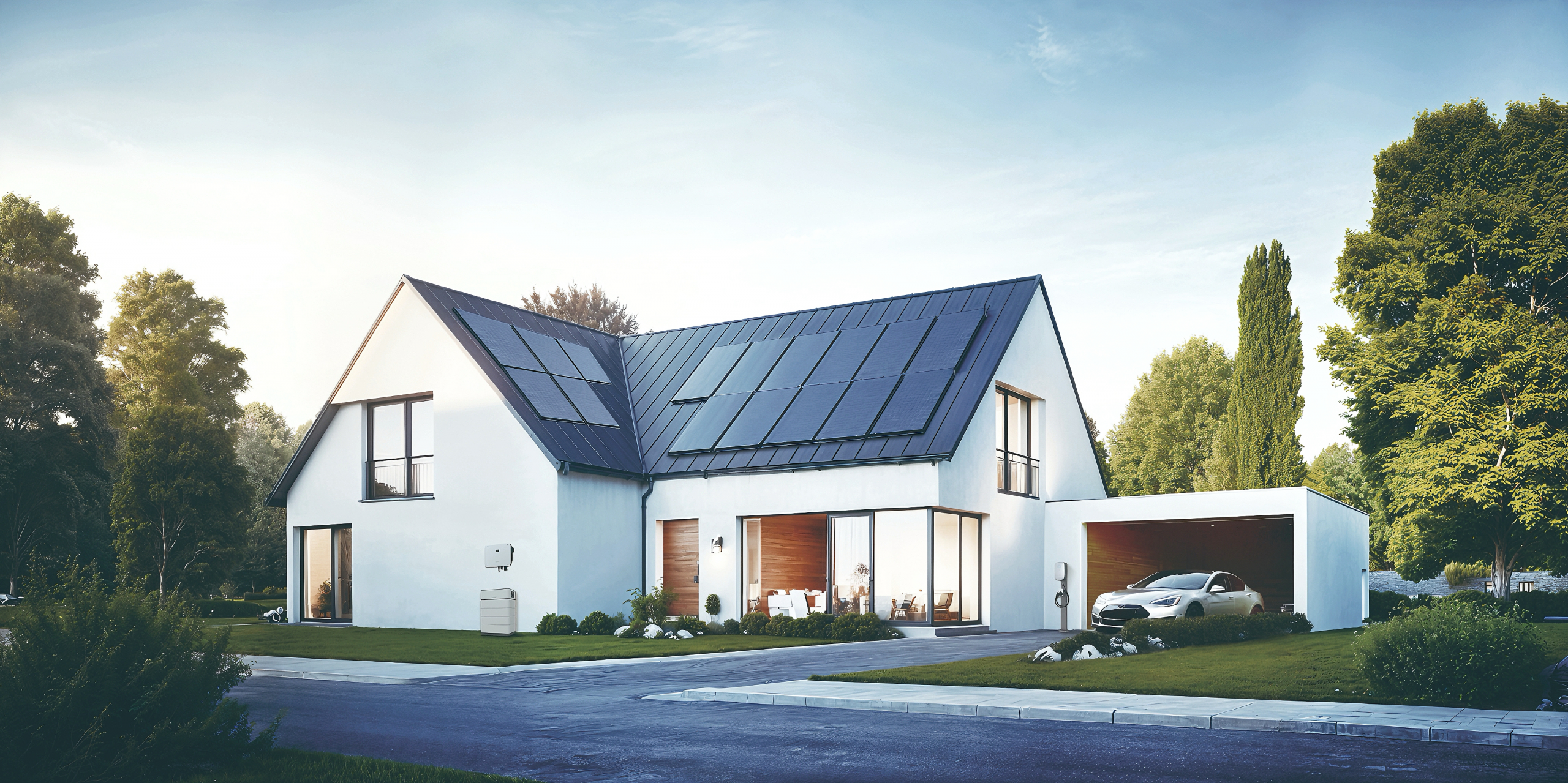
As interest grows in sustainable local energy, the concept of a residential microgrid is extending beyond single homes to entire neighborhoods. A community microgrid enables houses within a local area to share solar energy and storage capacity with one another. This approach makes better use of distributed solar generation and supports more efficient energy use among neighbors. By combining solar panels, storage systems, and smart management tools like those offered by Sungrow, communities can tap into clean energy in a more collaborative way.
What Makes a Community Microgrid
A community microgrid connects multiple residential loads and renewable sources within a specific local boundary. Each home might generate its own solar power through rooftop panels and store excess energy in a shared or individual battery system. When one household produces more solar electricity than it needs, that surplus can be used to support another home with higher demand. This local exchange helps reduce reliance on the wider utility grid and makes better use of daylight generation. Such setups may involve either centralized or distributed storage and require control systems to balance generation, consumption, and energy flow among participants.
How Sungrow Fits Into Local Energy Sharing

Sungrow’s residential energy solutions combine photovoltaic inverters, energy storage systems, and cloud-based monitoring platforms that allow users to observe and manage generation and storage performance. These tools can support community microgrid functions by providing real-time data and coordinating energy use across connected homes. Homeowners using Sungrow’s systems can work together to optimize solar energy use, aligning charging schedules, storage levels, and consumption patterns within the neighborhood.
Conclusion
Community microgrids create opportunities for neighbors to share solar energy locally, improving renewable self-consumption and enhancing resilience within residential areas. With Sungrow‘s comprehensive residential energy solutions, households can participate in a collective energy approach that makes the most of solar generation and storage while supporting local energy collaboration.
