
The cost of deploying utility scale battery storage projects is influenced by a combination of technical design, system configuration, safety requirements, and operational performance expectations. As energy systems evolve, the role of utility scale BESS continues to expand across grid stabilization, renewable integration, and peak demand management. For developers and operators, understanding the cost structure is essential for accurate project planning and long-term investment evaluation.
System Architecture and Technical Configuration
One of the primary cost drivers of utility scale battery storage is system architecture. Centralized and string-based designs differ significantly in terms of reliability, scalability, and maintenance requirements. For example, string architecture in a utility scale BESS can isolate single-point failures and reduce system-wide performance risks, which may influence upfront design and integration costs.
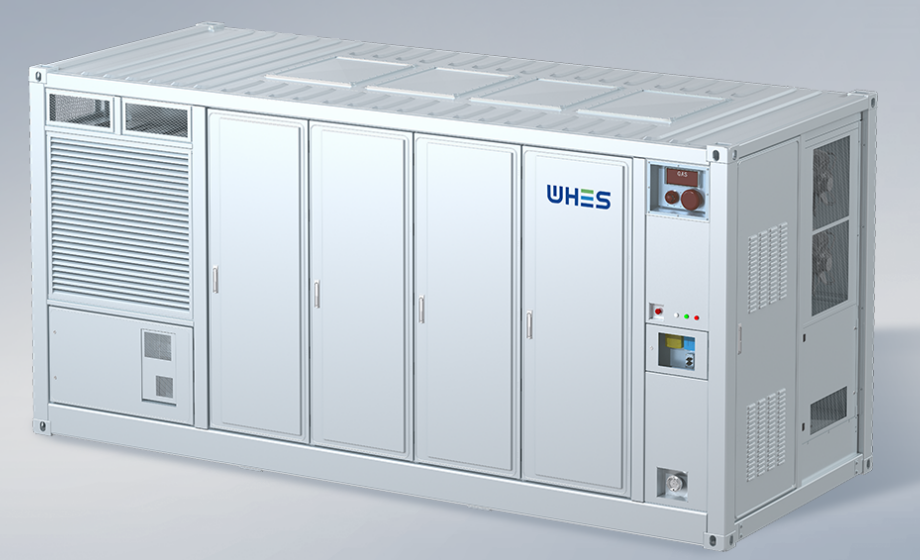
Equipment specifications also play a critical role. High-capacity systems such as WHES PA-3.0EU (744–1488kW / 1490–2980kWh) integrate advanced features including IP67-rated battery enclosures, IP65-rated power conversion systems (PCS), and four-level active and passive fire protection. These safety and protection measures increase initial investment but are essential for ensuring operational security and compliance in large-scale deployments of utility scale battery storage.

Performance Requirements and Operational Conditions
Another key factor affecting the cost of utility scale BESS is performance under different environmental and operational conditions. Systems designed to maintain full performance at elevated temperatures, such as 50°C without derating, typically require more advanced thermal management technologies, which can influence system cost.
Additionally, requirements for high availability, redundancy, and long service life contribute to overall system pricing. The ability of utility scale battery storage to support grid services such as peak shifting, frequency regulation, and renewable integration also impacts design complexity and investment levels.
WHES incorporates these performance considerations into its Utility Energy Storage System solutions, ensuring that utility scale BESS deployments achieve a balance between cost efficiency and operational reliability across diverse grid environments.
Lifecycle Value and System Optimization
Beyond initial capital expenditure, lifecycle considerations are increasingly important in evaluating utility scale battery storage projects. Maintenance requirements, system efficiency, and degradation rates all influence total cost of ownership. Advanced design approaches, such as modular configurations and high-reliability components, help optimize long-term performance.
WHES focuses on delivering utility-scale solutions that combine safety, durability, and efficient system architecture. By integrating robust engineering standards into its utility scale BESS offerings, WHES supports more predictable lifecycle performance and improved project economics for large-scale energy storage deployments.
